Growing Homelessness in France and how Strasbourg is Addressing it

Written by Drexel Osborne

Homelessness is a global issue affecting millions of people, however, in recent years it has been on the rise in France. Before 2020 there were 143,000 recorded unhoused individuals, but, in 2021, that number ballooned to more than 300,000. While increased costs of living and inflation are two of the usual culprits, the pandemic has also placed additional strain on social services leaving many individuals struggling to find housing. 

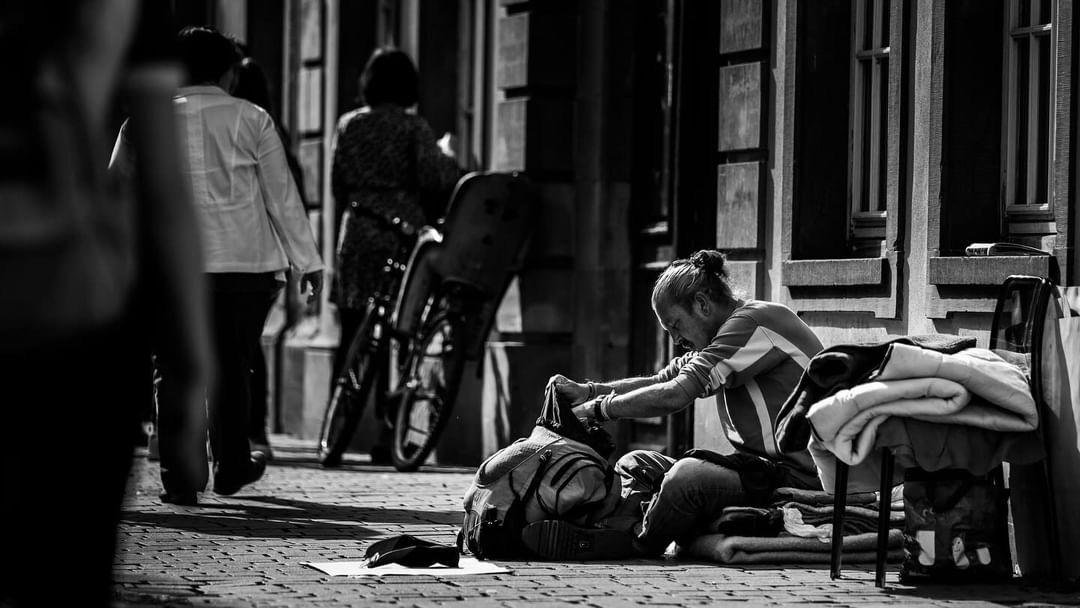
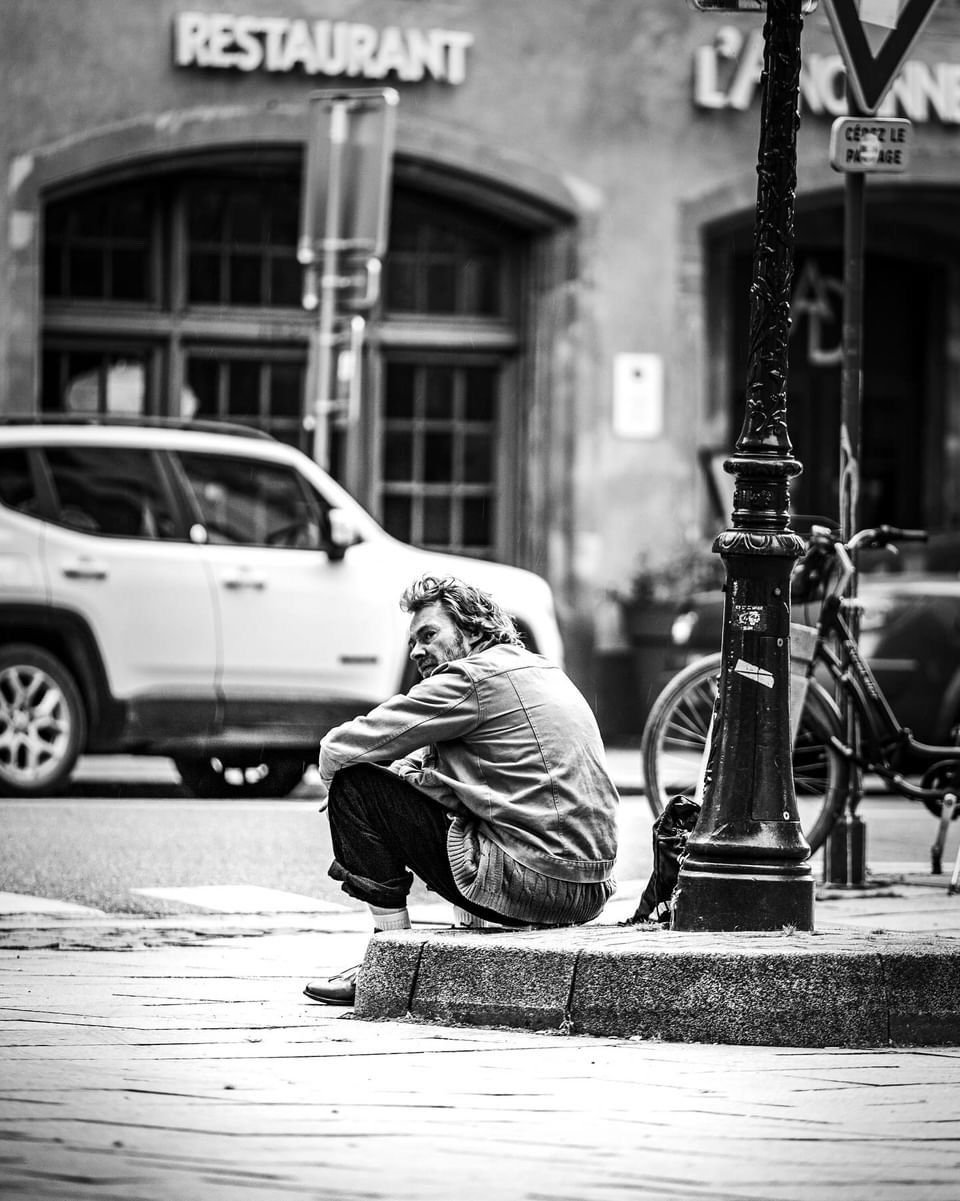
Photo Credit: BAINVILLE Anatole (Click to follow photographer on Instagram)

Strasbourg is the official seat of the European Parliament, located in northern France near the border with Germany. As the official seat of the European Parliament, Strasbourg’s policy decisions are particularly pertinent. In France, emergency housing is managed and funded at the national level, which encouraged Strasbourg to sue the government for its failure to provide adequate shelter services to those in need. 

Although Strasbourg mayor, Jeanne Barseghian, did not provide a timeline for when the suit will be filed, she clearly stated "shelter is a matter for the state, there is a deficiency, I decided that the city of Strasbourg would sue the state for damages due to this failure."
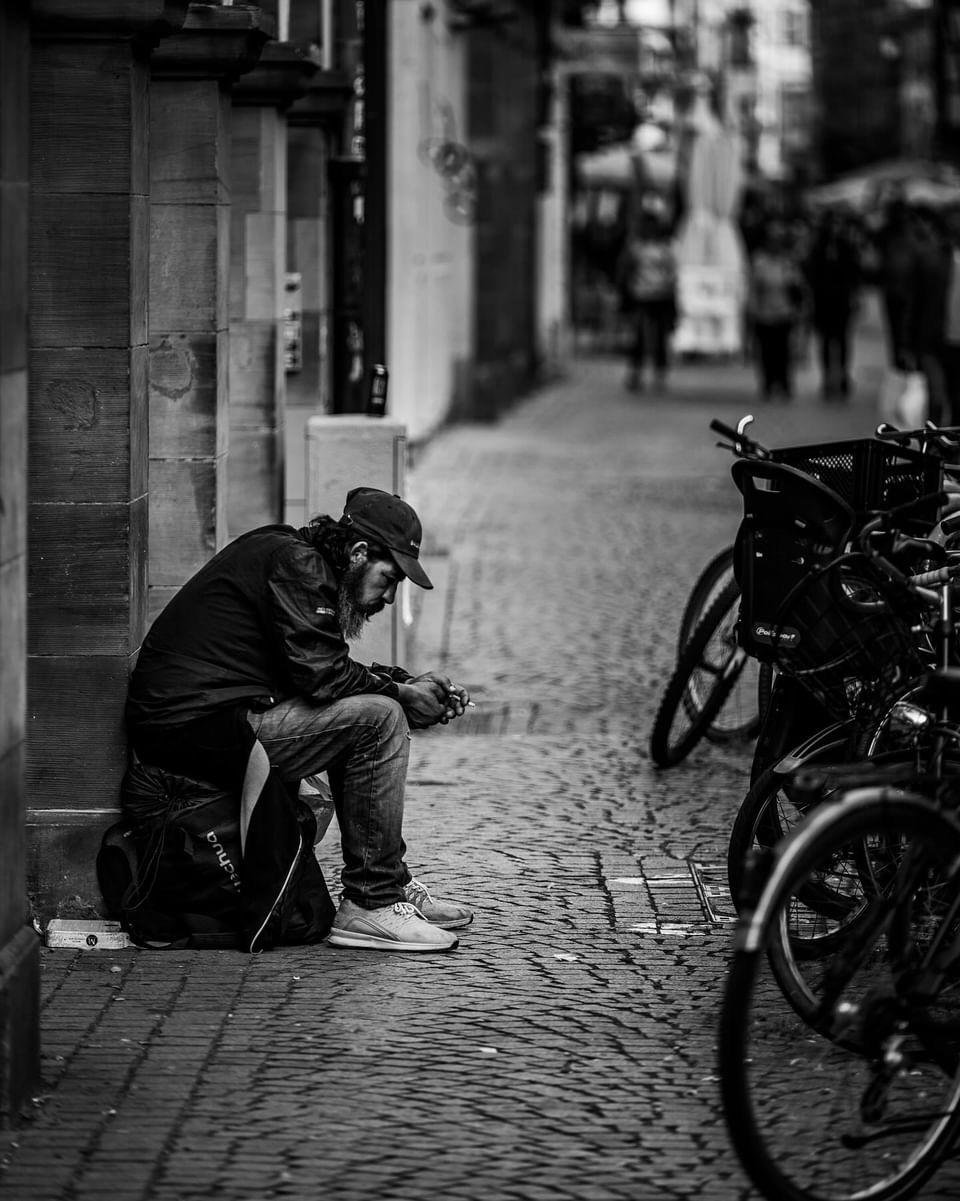
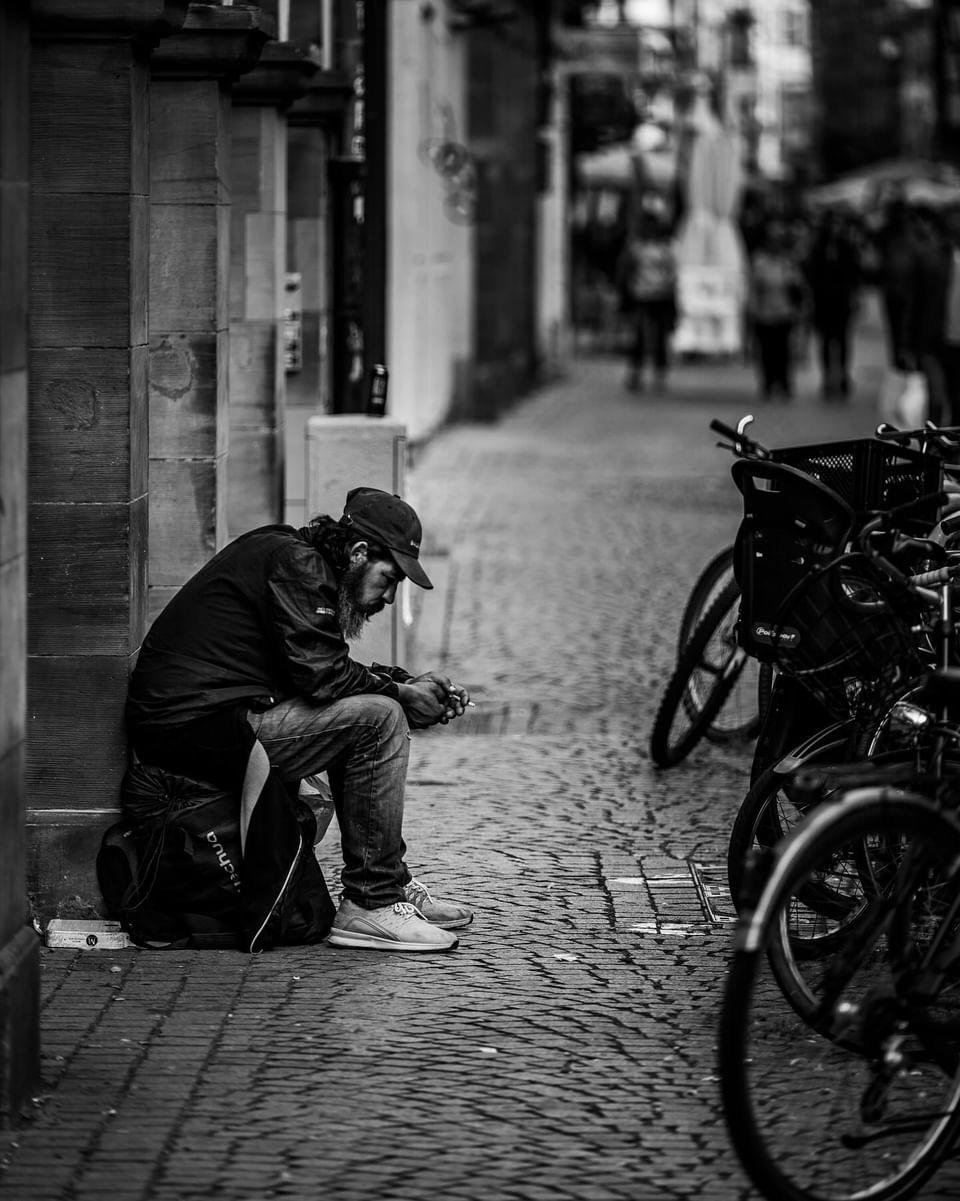
Photo Credit: BAINVILLE Anatole (Click to follow photographer on Instagram)

Covid-19 and Homelessness

In response to the Covid-19 pandemic, France issued one the strictest lockdowns in Europe. Overnight many people who relied on certain social services found themselves without them. The metro, public bathrooms, and restaurants known for distributing leftover food were all shut-down, which left many unhoused individuals without their usual access to basic necessities. 

Not only did the pandemic bring a decrease in available resources but it also negatively impacted the mental health of many of the people accessing shelter services.  

In July of 2020, the City of Strasbourg signed the Declaration of the Rights of Homeless Persons. This declaration affirms the fundamental rights of unhoused individuals and recognizes their full citizenship regardless of housing status. By signing, Strasbourg has committed itself to implementing new strategies to increase access to housing, public services, social services, emergency services, and sanitary facilities for people experiencing homelessness.
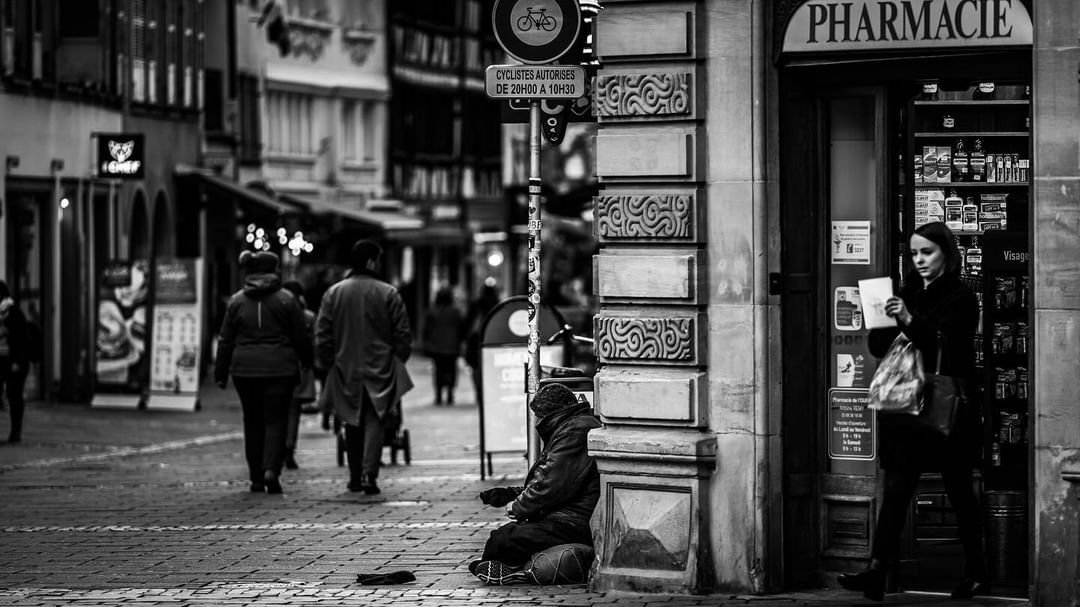
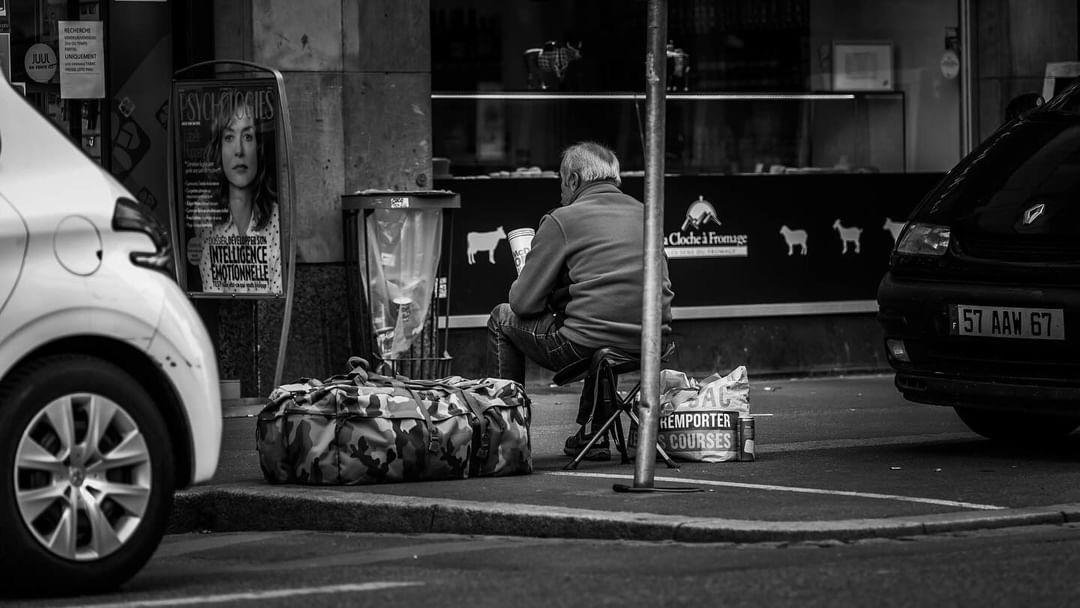
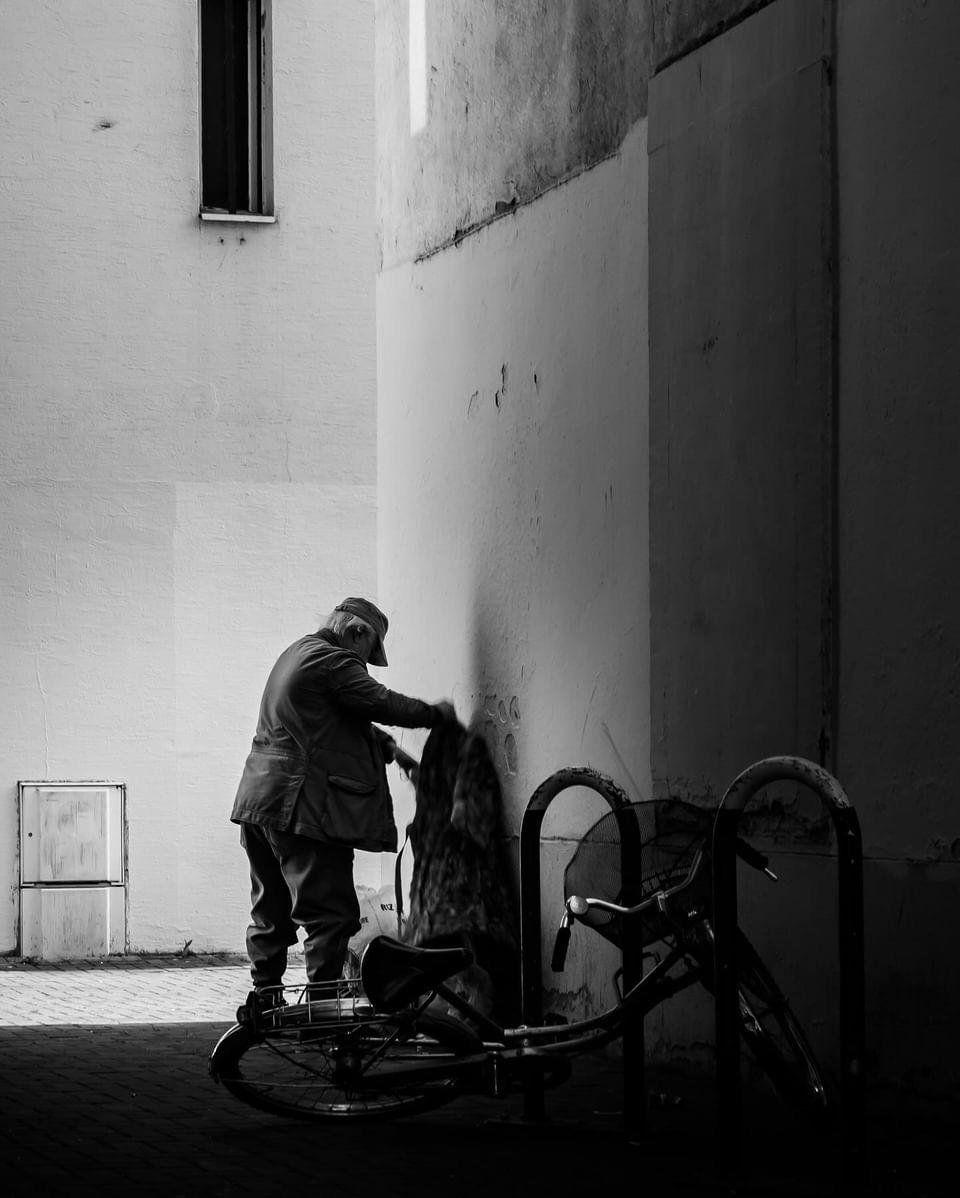
Photo Credits: BAINVILLE Anatole (Click to follow photographer on Instagram)

Rights of Children 

Child homelessness is a particularly pressing issue in France and Strasbourg. France was the second nation to sign the UN Convention on the Rights of the Child, which proclaims all children have the right to an adequate standard of living, healthcare, food, and education. However, according to UNICEF’s yearly report, the number of children sleeping on the streets of France has increased by 20% in the last year. In October 2021, the international NGO Human Rights Watch reported a deterioration in living conditions of unhoused migrant children in Northern France. 

Children experiencing homelessness experience anxiety, sleep disorders, and language difficulties at higher rates than their peers, and a lack of secure housing can lead to an inability to fully engage in learning. 

In response, ordinary citizens and non-profits have begun organizing. Open letters have been written to local authorities asking for more emergency housing. In addition, teachers, parents and members of the community have banded together to raise money to secure housing for students in need.    

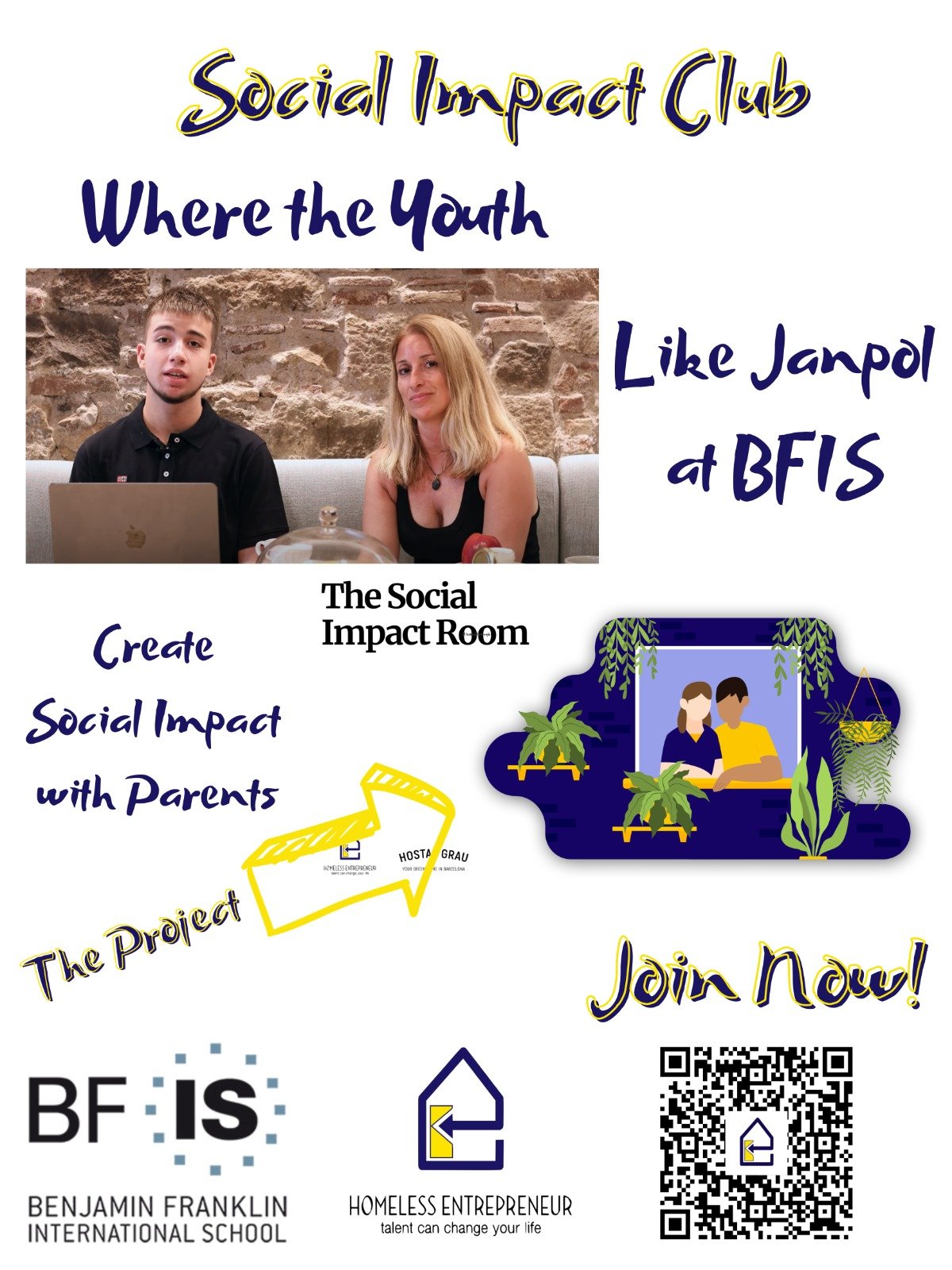
Homeless Entrepreneur is helping to engage children in the fight against homelessness with the Social Impact Club that supports the Social Impact Room. According to Janpol Grau, The first Social Impact Club, which has members from 12 to 17 years old at Benjamin Franklin International school in Barcelona, will “help youth realize how to create and provide social impact for their city.” After developing their communication and project managing skills members of the club will create their own projects to help alleviate homelessness.  
Migrants 

A 2017 statute allows French police to carry out immigration status checks within emergency shelters. In Strasbourg, two of these checks have been done at Branly gymnasium. Families without the proper paperwork were taken to The Centre de Préparation au Retour (Return Preparation Centre, or CPAR) to await deportation. 

Walter, a migrant from the Cayman Islands and Homeless Entrepreneur, who moved to France in 2013 had a difficult time finding paid work upon moving to France. 

“At first, I worked without an employment contract because I did not have papers and the companies did not pay me.” The lack of a consistent salary made it difficult for Walter to pay his rent and he had to ask for social assistance and accommodations from the state. 

Call Our Helpline!

Homeless Entrepreneur’s Helpline (+34 697 877 089), which allows free phone calls via WhatsApp, helps migrants as well as anyone experiencing homelessness or at risk of doing so by collecting real-time data from and about those at risk of becoming homeless and connects them to available resources, to prevent and reduce homelessness.
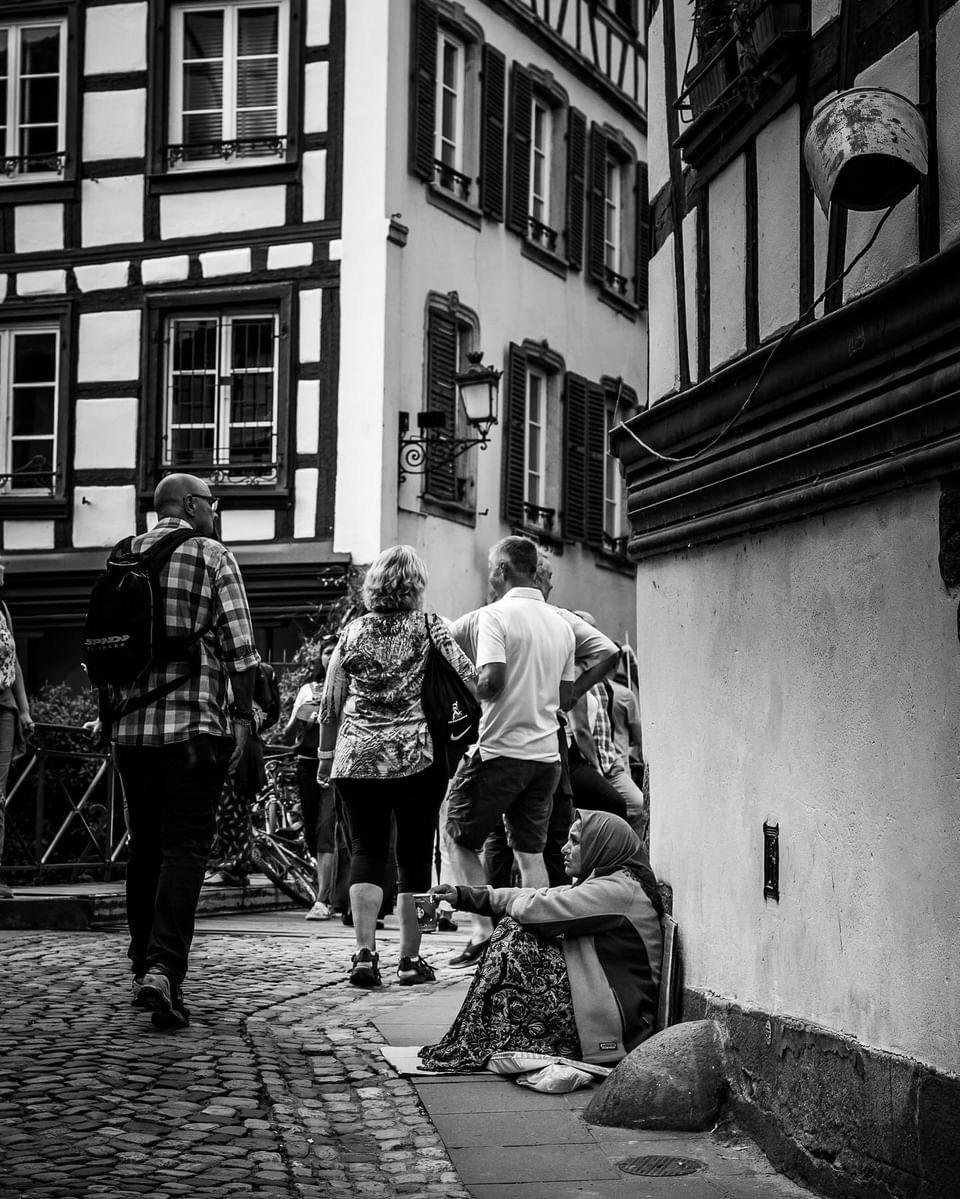

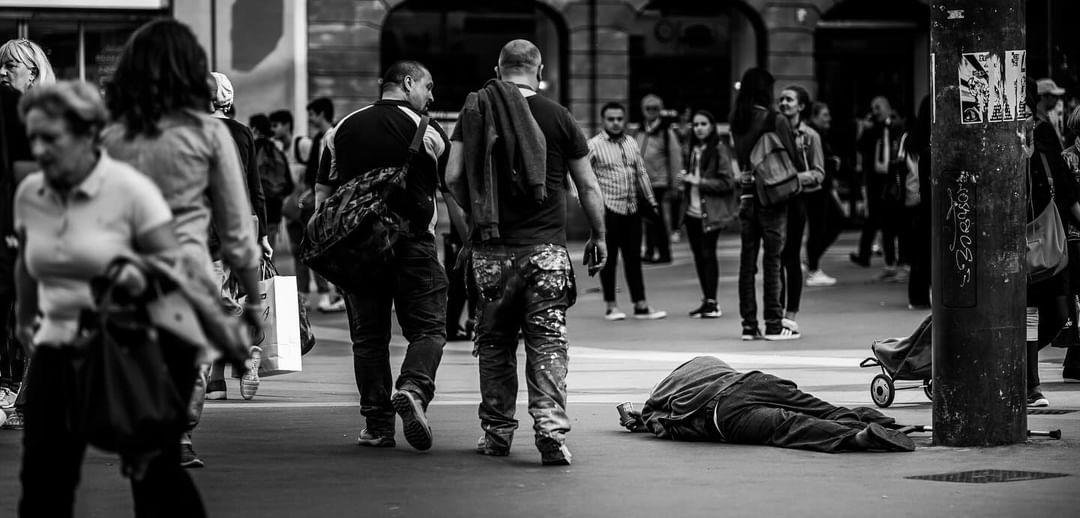
Photo Credits: BAINVILLE Anatole (Click to follow photographer on Instagram)

Ensure accuracy & improve the quality of our work!

(Click on one or more of the buttons below to get involved!)

Send us pictures of homelessness in Strasbourg
Share data with us
Let us know if we've made possible mistakes.
You’d like to be interviewed & included in this article!

Learn more about our EU Report & Get Involved!

Learn more about EU Report

We are raising funds to visit all 12 cities in our EU Report, so we can improve our understanding of the city and how it addresses homelessness as we build partnerships to empower people out of homelessness.

Donate & Support
Get Involved in the EU Report

How could Elon Musk become homeless and who would help him get back on his feet?

Written by Open AI

While it's speculative to predict any individual's future with certainty, including someone as prominent as Elon Musk, becoming homeless is a complex process influenced by various factors. Elon Musk is a billionaire and the CEO of multiple successful companies like Tesla and SpaceX, so the likelihood of him becoming homeless is extremely low. However, for the sake of your question, I can provide a general hypothetical scenario and the types of assistance that might come into play.

Image of Elon Musk experiencing homelessness created by https://deepai.org/

Hypothetical Scenario: Let's imagine an extreme situation where Elon Musk faces a series of unforeseen personal and financial challenges that lead to significant losses. Perhaps his companies encounter insurmountable difficulties, his investments collapse, and he faces legal issues that drain his resources. These cascading events could potentially impact his personal finances to the point where he struggles to maintain his lifestyle.

Assistance in Such a Scenario:

  1. Personal Savings: Even if Elon Musk were to face financial difficulties, he has significant personal wealth. His savings, assets, and properties could provide a safety net to prevent him from becoming homeless.

  2. Social Network: Musk is well-connected in both business and social circles. He could potentially turn to friends, colleagues, and fellow entrepreneurs for temporary support, advice, or even financial assistance.

  3. Philanthropic Organizations: Musk is known for his involvement in various philanthropic initiatives. If he were to face a crisis, he might receive support from organizations he has been associated with, or from new philanthropic avenues.

  4. Business Rebound: Given Musk's track record of innovation and business acumen, it's possible that he could find new opportunities to rebuild his financial standing. Investors, partners, or backers might be interested in supporting his new ventures.

  5. Community Services: In the unlikely event that Musk found himself in need, there are various social services available to support individuals experiencing homelessness, providing shelter, food, and other basic necessities.

Image of Elon Musk eating in a soup kitchen for homeless people created by https://deepai.org/

6. Public Awareness and Support: Elon Musk's prominence could lead to public awareness of his situation. This awareness might trigger public support, crowdfunding efforts, or other forms of assistance from people who admire his work.

*It's important to note that these points are purely speculative and based on the hypothetical scenario you provided. Elon Musk's current position and resources make it highly unlikely that he would become homeless, and he has a wide range of options available to him should he face any financial or personal challenges.

The text below was written by Andrew Funk, founding president of Homeless Entrepreneur.

Empowerment in Such a Scenario:

  1. Helpline, which collects real-time data from and about homeless people or those about to become homeless and connects them to available resources, aims to prevent and reduce homelessness.
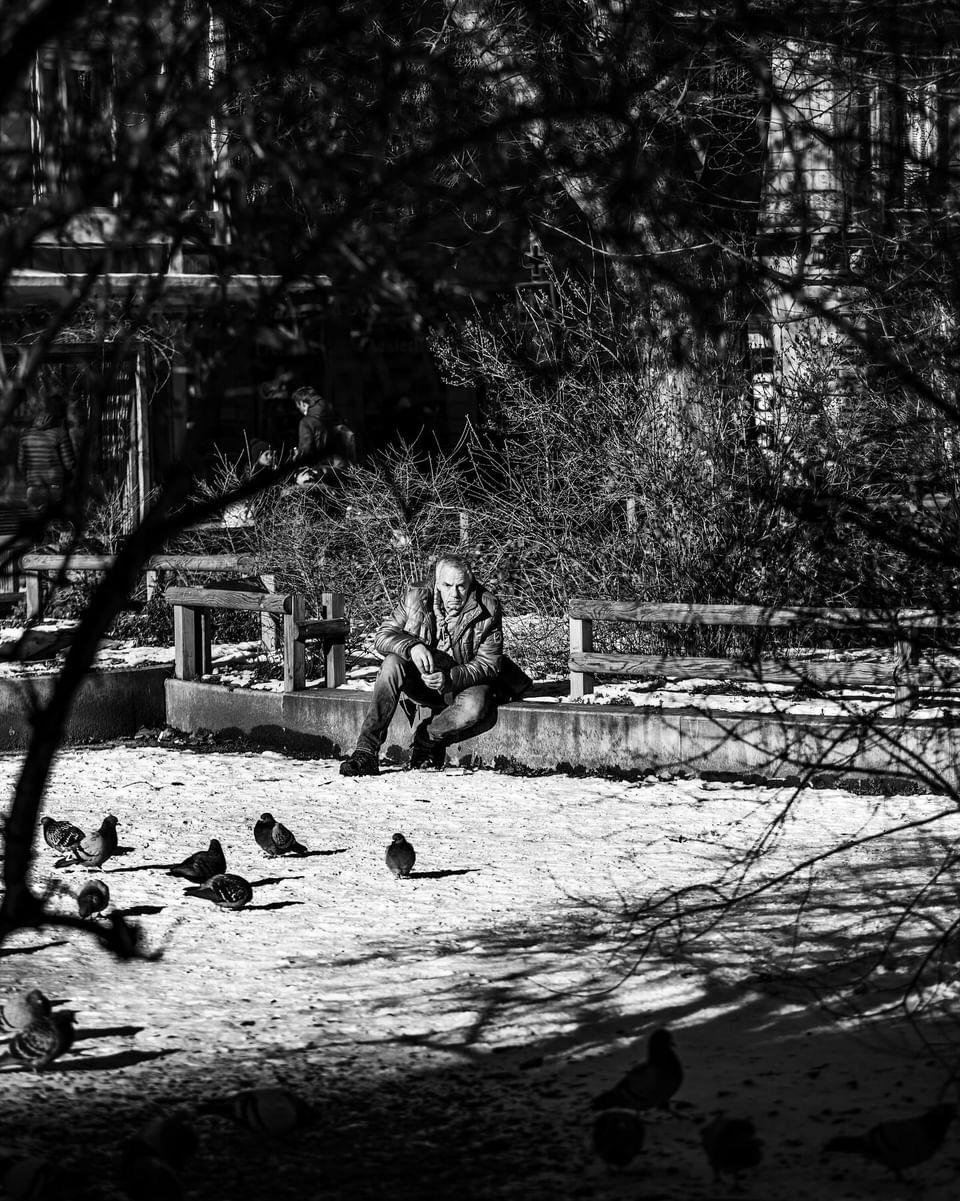
  2. Voices, which provides insight into the lives of individuals suffering from homelessness and/or poverty to connect them with their community along with housing and employment opportunities, so they can grow their income and build their assets.

  3. HELP Program, which provides a support pathway to independence through incentivizing employment opportunities and fostering entrepreneurial activities. It is a holistic one-year program that addresses poverty, works in conjunction with our Housing Launchpad program or already existing housing programs in order to create sustainable change via active citizenship, community and life purpose.

Image of Elon Musk becoming a Homeless Entrepreneur created by https://deepai.org/

*It's important to note that these points are purely speculative and based on the hypothetical scenario of Elon Musk becoming homeless. In the case that he become homeless, we would like him to know that we would happily support him in the process of becoming empowered out of homelessness and hope we would do the same for others.

In the highly unlikely scenario, according to AI, that Elon Musk reads this article to the very end and would like to help us empower people out of poverty, he can contact me (Andrew Funk) via email, funk@homelessentrepreneur.org, or telephone, +34 697 877 089.

It’d be an honor.

"Living in Limbo:" Disintegration and psychiatrization of immigrants of African descent in Switzerland

Written by Jeff Makana

BIO: An activist, who is a user and survivor of psychiatry, working on promoting the signing and ratification of the UN CRPD and the convention on torture.

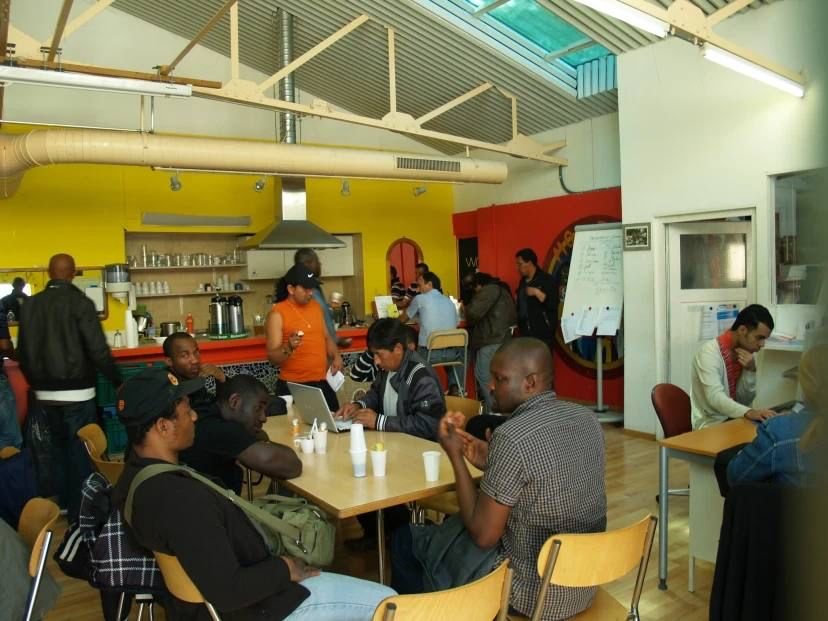
From 2011 to 2013 in Lausanne, Switzerland I did a project on the invisibility of immigrants in conjunction with Espace Mozaik, an association working with immigrants and survivors of torture.

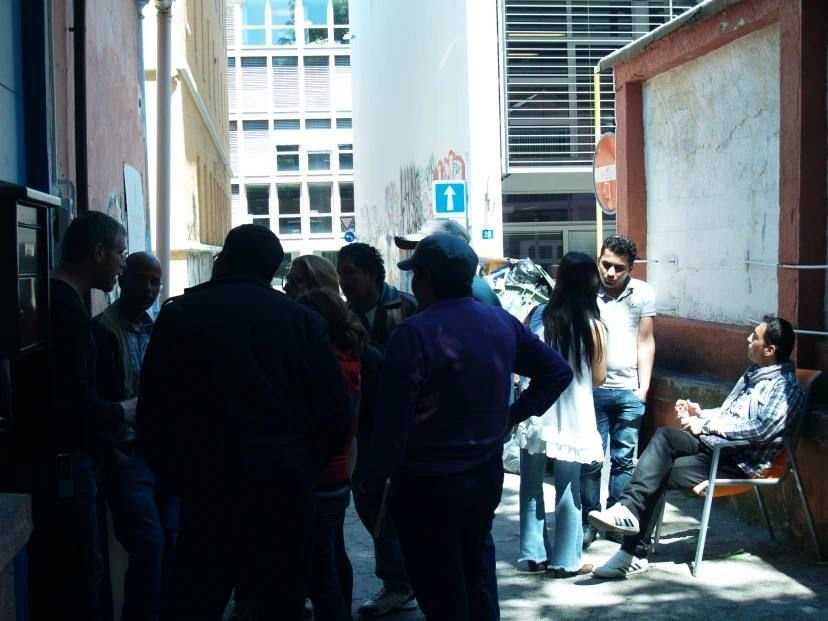
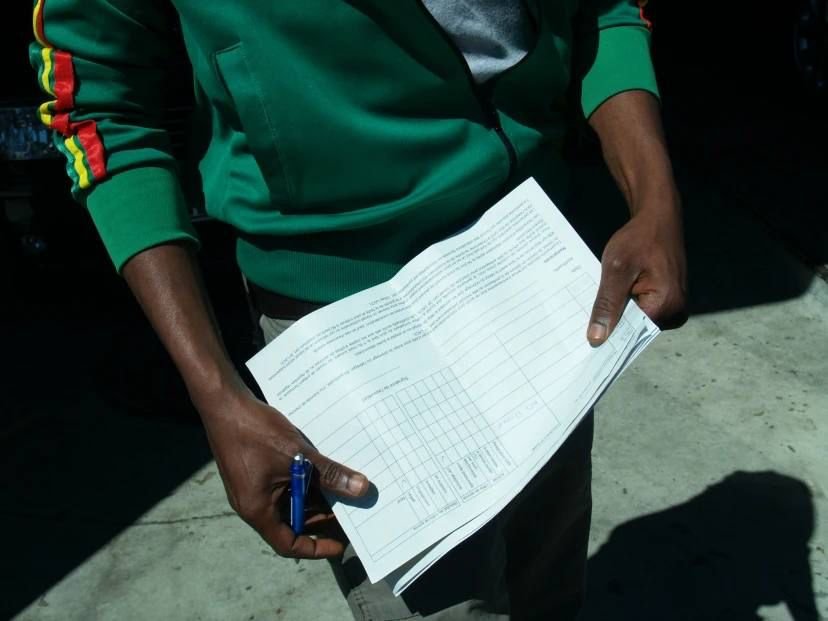
Pictures taken at Espace Mozaic Lausanne (2011-14)

There I interviewed immigrants from different backgrounds on barriers to integration in Switzerland. Below follows a reflection on the issue of intersectionality between racism and forced psychiatry based on this project.

I have lived in Switzerland for 8 years and see racial inequalities even though this is the land of so-called "human rights" and UN organizations. To me, this seems to be a contradiction in terms.

Compared to my formative years in the USA, I can say that sometimes many indifferences here are purely to demoralise people of African descent to leave Switzerland.

For example, a father and son from East Africa have been here for 13 years without job stability, only living in shadows of Afrophobia and with a lack of Swiss job market skills.

The father tells me for the whole time he has lived in Switzerland, he has been sent to various low-quality job trainings but never gets hired.

With a humanitarian permit you can't enroll in college to develop (there have been several attempts to improve access to training for migrants, including in Geneva) placing you almost certainly also in limbo of the provisional status.

Speaking about his experience, this transactional relationship equates: "Access to a low quality program is no access [to the job market] at all.. It's a false promise.

It's a missed opportunity.” In this regard, it's evident that migrants of African descent do not receive adequate training when considering the many certificates he has obtained in Switzerland, that have unfortunately proven to be not sufficient enough to enter the Swiss job market.

As a consequence, many Africans are isolated in social services as well as employment, while poor housing situations are also not uncommon.

This institutional discrimination is driven by a fear of "Great Replacement,” which white nationalists say is an attempt to uproot “indigenous” populations in Europe (and the United States) and replace them with immigrants from Latin America, Africa and the Middle East.

White nationalist ideologies have existed in Switzerland since the formation of the nation-state in the mid 19th century.

Currently, one of the most powerful national parties, The Swiss People's Party is one of the main reproducers of white nationalist discourses and imagery.

Moreover, the political abuse of psychiatry also is an issue I would like to bring to attention, with the conversation regarding the rights of people of colour with disabilities. Based on my social research, I discovered a harrowing side-effect of the labour-market discrimination discussed above.

These accounts came from interviewing a cross-section of people of African descent in Switzerland receiving psychiatric care. Switzerland's political abuse of psychiatry as a system operates to erase those viewed as not "integrating."

I have heard from various people of African descent being referred to psychiatry as a form of punishment for not integrating to Swiss system.

It seems as though the cure for the motivational difficulties many with social economic inequalities (due to racist immigration policies) face, should be some form of therapy.

Most often for me it has been the moments of sleeplessness, when I start having flashbacks of police torture. In these instances, when I go to the emergency room, I am most often transferred to a psychiatric facility. Immediately, when you get to the facility they start treatment; if you disagree you are forcibly injected and locked in isolation.

How has immigration affected you? Send us your story!
The treatment of people with psychosis relies far too much on medication alone, far too little on social engagement, psychotherapy, vocational rehabilitation, and providing adequate housing.
— Robert Whitaker

You can petition the court to appeal forced hospitalization but 99% of the time the court upholds the forced treatment of patients, lack of due process and legal aid in the wheels of justice.

Yet, when examining this situation closely, we can see that what is offered is a diversion to forced psychiatry treatments, which seems increasingly to be employed also as a form of sterilization, due to harmful side effects of neuroleptics.

Torture victims like myself are diverted from post traumatic trauma therapies to psychiatry where we are treated as mentally ill.

These forced treatments fail to acknowledge personal choices and liberty as is enshrined in the legal capacity, Article 12 under the United Nations Convention, on the rights of persons with disabilities.

Most often decisions appear to be based on the ethnicity of the patient, because (white) Swiss citizens are shown to be more empowered to refuse certain medications and are even supported in stopping harmful treatments, when compared to patients of African origin.

This disparity has been demonstrated to me based on my own lived experiences of the psychiatry system in Switzerland, as well as from discussions with psychiatry patients, and from the results of quality assurance surveys (issued at the time of discharge) conducted by hospital personnel.

According to ERIF’s content and audience developer Dr. Noémi Michel’s paper on Afrophobia in Switzerland: “The phenomena of racelessness and colonial amnesia in Switzerland is used as a mechanism for silencing people of colour who protest against racism. In other words, the social taboo of discussing race (and subsequently racism) is rooted in a belief that racism does not exist on the territory of Europe.

Therefore, racial discrimination cannot be tackled without activists themselves being labelled as racist for instigating the conversation."

Jeff Makana provides volunteer support as our HE Correspondent in Switzerland.

The social invisibility of immigrants is derived from well coined phrases such as “social dumping”, which emboldens the structural discrimination of people of African descent, meant to shift blame rather than create workforce programs to capture market skills of the said people of color.

Living in limbo amidst negative sentiments towards African migrants throughout Europe leads to hopelessness and disempowerment.

Lack of a human rights body (there is the Federal Court and possible recourse to the ECHR; there is also the Federal Commission against racism, but it is not a legal authority) in Switzerland also demonstrates a lack of political will to legislate in such a way that would encourage better employment rates for people of colour and/or of African descent, as well as to fight racial discrimination.

*If you appreciate Homeless Entrepreneur’s blog and would like to help us empower people out of homelessness and poverty through our publications, please click on the button below and donate. Thanks!

Donate & Support our Blog

Feedback Form

What do you think about Jeff’s article?