
Jessica Friday

Author & Speaker

  • Age 44
  • USA Washington, North Carolina
  • Nationality American
  • What defines her "We have it in our power to begin the world over again." Thomas Paine
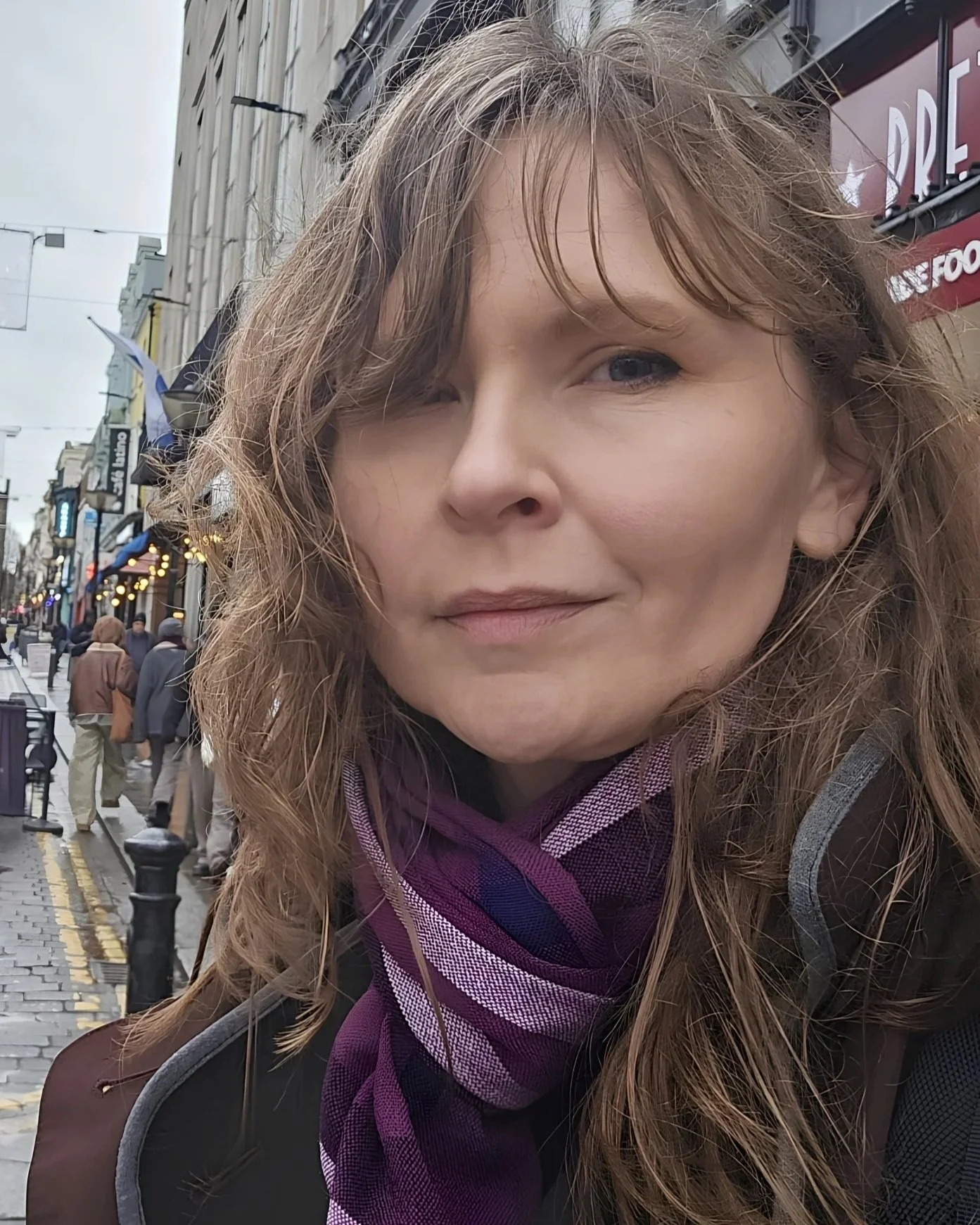
Jessica Friday

Strategic Partners / Sponsors

Who is Jessica?

My name is Jess. I'm 44 and originally from North Carolina, US. I've built an audience of over 150,000 telling the world about the transition to an economy that works for all of us, through my media-to-action company, Connectioning. My reporting on Scotland's Community Wealth Building bill went so viral it was cited in parliamentary debate. The bill passed 103 to nothing. I'm the author of Of Course: A New Common Sense and The Power Memo releasing this year. I won Simon Squibb's HelpBnk Power of Community speaking competition and will be speaking at TEDxHope Street in February 2027.

Professional Recommendation

Coming soon…

Goals

I've discovered over 300 movements building a fairer economy, and almost none of them are making the news. The two questions I get asked most are "What can I do?" and "How do I start?" My mission is to take these movements mainstream and show people what they can do and how to get started.

Jessica's Present and Future

Present: I've been hopping between shelters, streets and sofas in the US, and friends in the UK, for four years. My network and my career are in Europe, and I can't stay and work there because I don't have the savings a visa requires. I was recently sleeping in a car, then a shelter. I'm in Europe temporarily now, with friends. I'm also autistic and have never lived independently. I've raised money for housing, and even though from the outside I look capable, this is a big challenge for me and I need support with paperwork and next steps.

Throughout it all, I have remained adaptable, resourceful, and hopeful. I believe something will emerge from this chapter, like enduring ice cream for the prize at the end. I see it like when I was a child eating an unpleasant ice cream just to reach the chewing gum at the bottom: sometimes you endure the difficult part because you know there is something worthwhile waiting at the end.

Future: My dream is to live permanently in Liverpool, near my friends, my loved ones, and the people I work with growing the community wealth movement through media. From there, I could support my son as he starts university and builds a career in motorsports. I could create local jobs as Connectioning grows in a city that needs them. And I could keep doing the main work, which is helping hundreds of thousands of people find the first step into building the life and the community they want, the better future that is closer than people think. Most just can't see it yet.

HELP Program Status

The HELP program consists of three phases:

Phase one, which lasts up to 12 months, is divided into 7 stages, where each Homeless Entrepreneur (HE) is assigned a coordinator and nine managers (covering the following areas: professional development, education, health, housing, finance, legal, communication, sales and general assistance).

The status meter below identifies the Homeless Entrepreneur’s current HELP program stage.

Click here to read more about our HELP Program, and understand its different phases and stages.

Housing

Stage 1: Homeless Homeless people living in public spaces, external spaces or night shelters. Stage 2: Houseless Homeless people living in homeless hostels, temporary accommation, transitional supported accomodation, women's shelter accomodation. Stage 3: Insecure Housing Homeless people temporarily living with family/friends, squatting, or under the threat of eviction or violence need to advance to stage 4 or 5 as quickly as possible Stage 4: Inadequate Housing Homeless people living in temporary/ un-conventional structures, unfit housing or extreme overcrowding need to advance to stage 5 as quickly as possible. Stage 5: Dignified Housing Have a safe, affordable and clean place to call home allows one to focus on building a future as a contributing member of society.

Health

Stage 1: Disengaged & Overwhelmed Being disengaged, overwhelmed and exhausted is common for many homeless people due to the high level of stress and overall poverty being experienced. Stage 2: Becoming Aware but still Struggling Homeless individuals face difficulties with sleep, fatigue, and daily tasks, leading to stress and low self-esteem. Establishing a beneficial routine can be a challenge. Stage 3: Maintain Behaviors & Pushing Forward Homeless people find it hard to improve their health due to poor sleep, low self-esteem, and stress. They know they should establish healthy habits, but it's tough. Stage 4: Healthy Lifestyle Once this stage has been reached, the objective is to maintain it and mitigate the risk of entering homelessness again.

Professional Development

Stage 1: Disengaged & Misinformed Poverty can isolate people from their community and vital information, causing division instead of unity. Stage 2: Motivated but Lacking Network Homeless individuals need community connection, accurate information, and a supportive network to stay motivated and continue personal and professional growth. Stage 3: Entering Workforce & Building Professional Skills Building a positive network can help homeless individuals find job opportunities and develop stronger professional skills. Stage 4: Discovering True Professional Potential Knowing your strengths and weaknesses helps you reach your full potential as a business professional and optimize your resources and time for a happier, healthier career.

Training

Stage 1: Outdated Training Many skills that one has learned become obselete due to technological advances, which means that one must accept a new professional reality. Stage 2: Basic General Training Building basic general knowledge, skills and competences allow one to enter the desired professional sector for an entry level position or as an intern. Stage 3: Intermediate Sector-Specific Training Focused sector-specific training can lead to career growth within or outside an organization. Stage 4: Advanced Sector-Specific Training At this stage, the professional has proven he or she is competitive in his or her sector and has the opportunity to open doors for HEs in earlier stages.

Communication

Presentation Skills To introduce oneself well, use clear structure, strong material, the right tone, and control body language. Negotiation Skills Learning how to communicate, persuade, plan, strategize and cooperate allows one to reach a compromise and attain her or his goals faster. Business Writing Skills Efficient business writing skills will allow one to provide relevant information in the right style, which is clear and easy-to-read, within the right context. Influencing Skills Positive behavior can influence others to change. Cross-Culture Communication Having a deep understanding of different cultures can help individuals integrate smoothly into society. Win-Win Conversation Conversations focused on all parties that are involved feeling good about the actions and desired outcomes help create new opportunities, growth & potential value. Selling Skills Being able to sell oneself and/or products and services help one get a job, keep it and evolve professionally. Teamwork Building Knowing everyone's strengths and weaknesses helps maximize group productivity by utilizing each person's unique abilities.

Legal

Stage 1: Forgotten or Unattended Legal Issues Non-criminal legal problems like government benefit claims, evictions, child custody, and employee rights can impact civil liberties and often go unattended. Stage 2: Resolving Legal Issues With the right legal support, homeless people can afront these issues and resolve them in a timely manner so they can overcome unnecessary administrative roadblocks. Stage 3: Law Abiding Citizen Obeying the law means they are protected from it and can focus on developing other aspects of their life as contributing members of society.

Finances

Accounting Skills Being in control of one’s financial health and being able to plan for the future allows one analyze investments, reach savings goals, control debt and focus on profitability. Financial Analysis Skills Understanding one’s financial performance allows one to track and analyze the past and present in order to create a clearer financial forecast. Forecasting Skills Being able to measure the accuracy of predicting one’s financial future allows one to plan ahead and be better prepared for financial ups and downs. Risk Management Skills Identifying potential causes of accidents or loss allows one to implement preventive measures, and devise plans to minimize costs and damage. Finance Reporting Skills Organized and concise financial data helps make better decisions for financial health. Financial Literacy Skills Understanding and effectively applying financial skills, i.e. personal financial management, budgeting and investing, allows one to be financially autonomous.

HELP Progress Bar

1. Preparation > 2. Online Visibility > 3. Integration > 4. Training > 5. Commitment > 6. Consolidation

Jessica’s Support Community

All of Jessica’s stakeholders play an important role in creating new sustainable opportunities that will inspire both individual and systemic change.

Her Stakeholder Community

  • City Halls

  • Neighbor communities

  • Professionals in the wellbeing sector

  • American people and American institutions

  • Individuals and institutions that support poverty reduction and ending homelessness

  • Retired citizens

  • Professors and universities

Private Donors

Monthly donations will provide greater stability for Jessica.

Volunteers