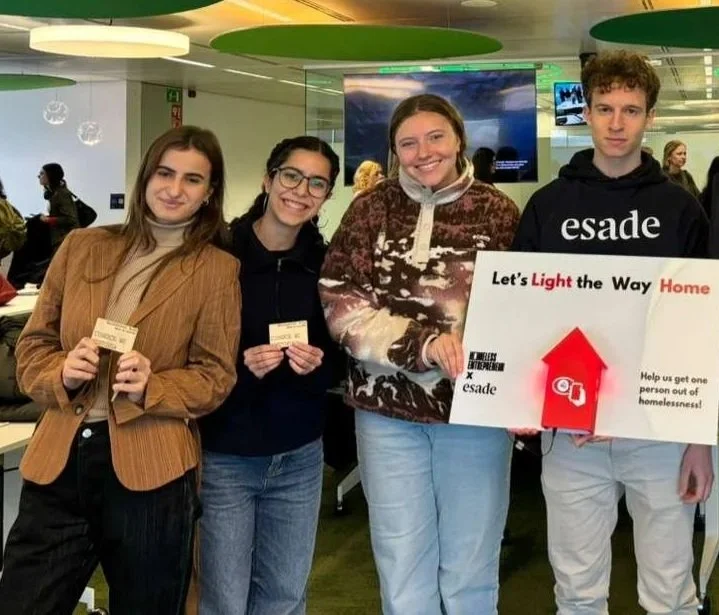
Homelessness and Our Global Responsibility as Expats

Written by Carolina Santander

The number of homeless individuals in Mexico City is estimated to range between 3,000 and 30,000 and there are approximately 12 million expats from Mexico. The gap in these estimates on homelessness reflects the limited institutional attention given to the issue. The definition of what homelessness is is constantly changing. To some it means someone who lives on the streets and to others someone who lives with extended family causing overcrowding. 
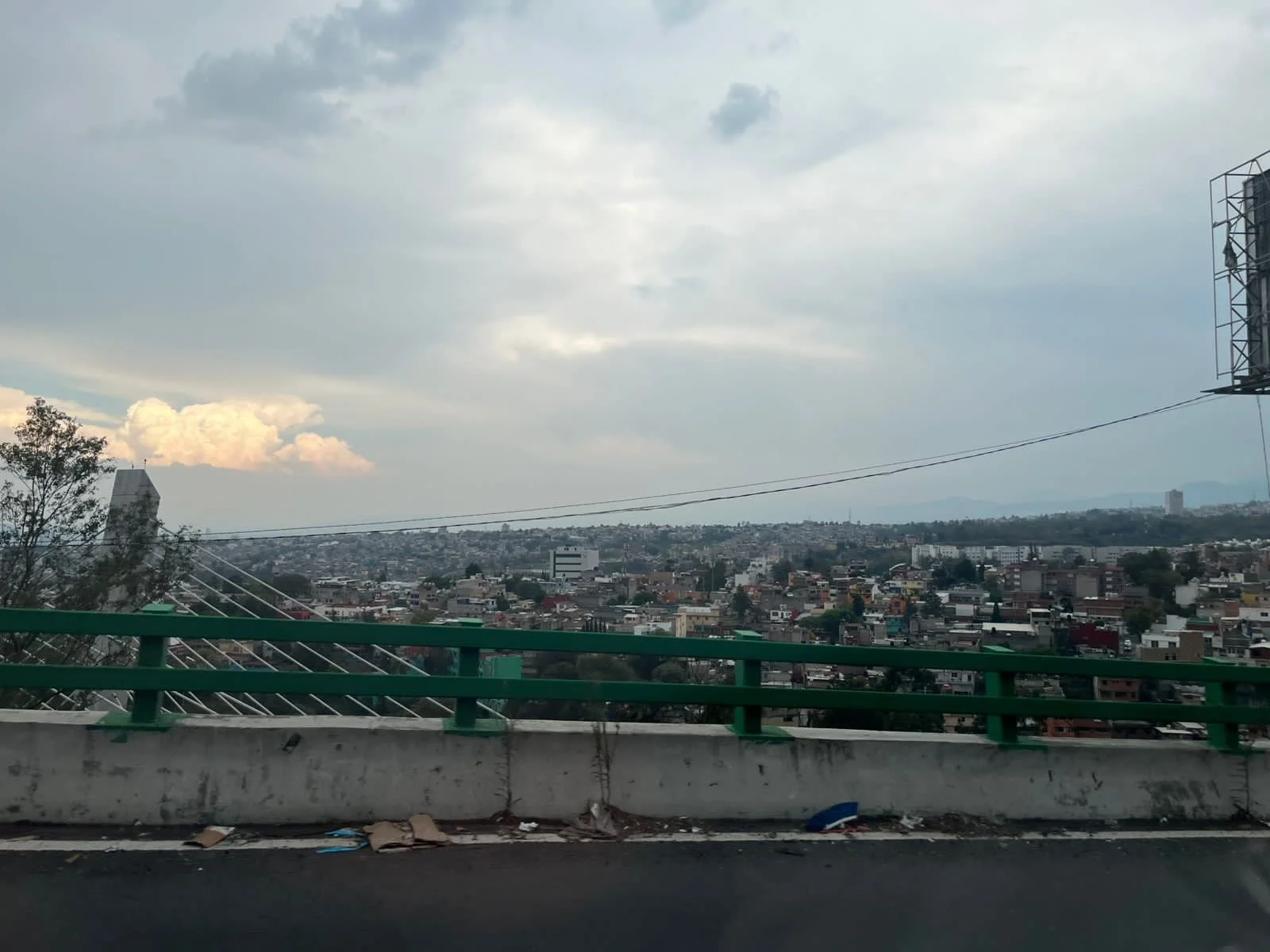
Mexico City, Mexico

Beyond the lack of a standardized definition, homelessness is a complex issue, commonly stemming from poverty and a loss of community. Many of the people who find themselves on the streets have oftentimes fled their villages and moved to the country’s capital or other countries in hopes of a brighter future only to be met with a harsh reality marked by exploitation, instability, and limited access to support systems. According to Brenda Magaña, a Homeless Entrepeneur volunteer living in Mexico City, the primary drivers for homelessness she has seen are addiction i.e. drugs, alcohol or gambling, undiagnosed or untreated mental health conditions and a profound lack of community.
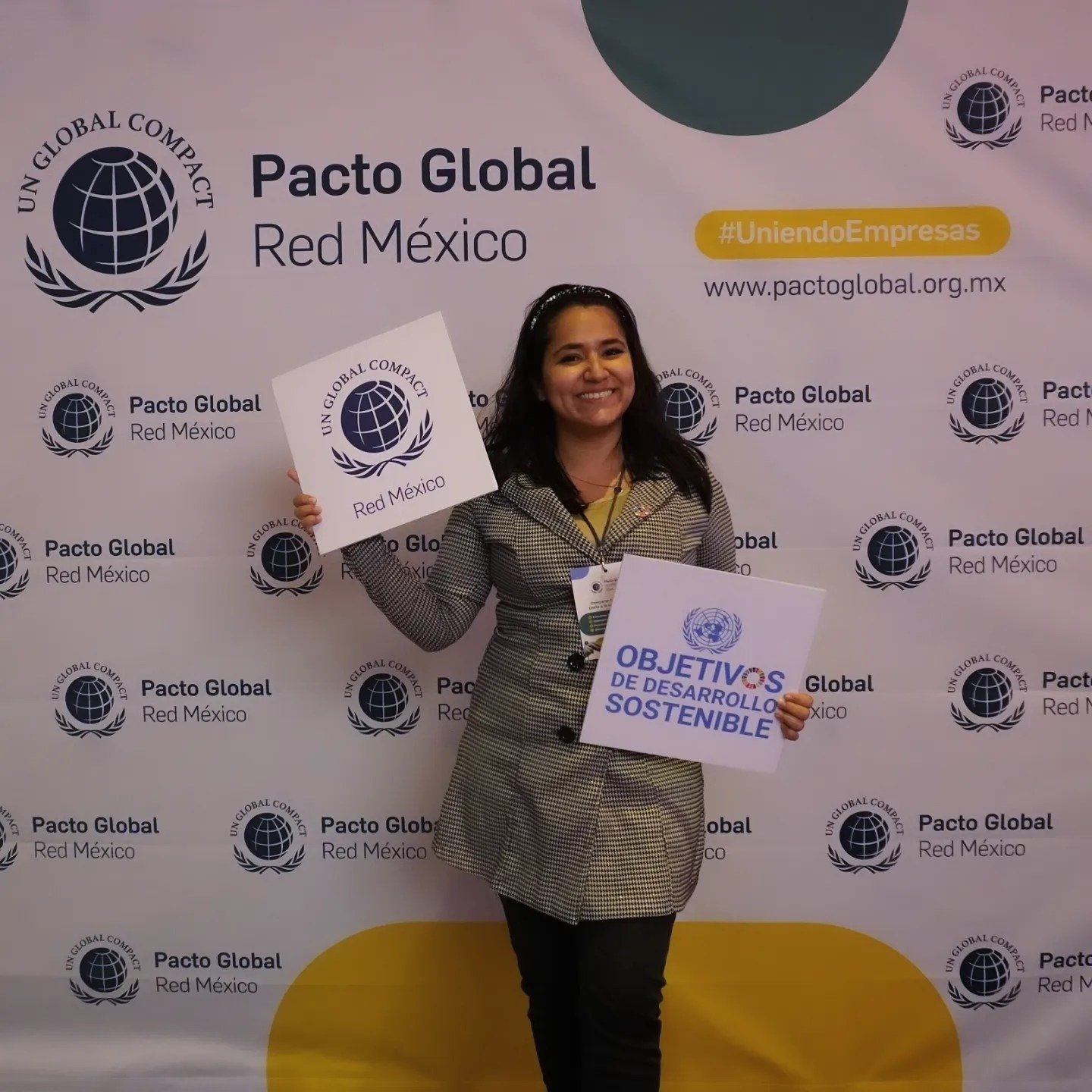
Brenda participating in the UN Global Compact Red Mexico event.

Bridging the Institutional Gap 

Addressing homelessness at a deeper level is increasingly difficult as policies and institutions exist on paper but fail to materialize in practice. This has created a unique need for private institutions to step in, such as Mi Valedor, a non-profit in Mexico City that helps uplift the homeless by creating a magazine where “valedores” are then provided with magazines to sell. Through this program, some of the “valedores,” or vendors, have managed to find formal employment elsewhere, others have managed to pay for their studies and others continue to work on leaving homelessness. 

Initiatives such as this in Mexico City, or Homeless Entrepreneur, an international non-profit organization that seeks to empower people made of potential out of homeless through work and community. The work done by Homeless Entrepreneur and Mi Valedor underscores a vital truth: providing people with work gives them autonomy and a renewed sense of purpose. This is extremely relevant in the US since there is a large portion of homelessness that consists of immigrants who have the skills to participate in the workforce but have been unable to do so, due to varying circumstances, oftentimes structural or legal barriers.  

The Role of the Expat Community

Victor Horcasitas, a Mexican-American expat living in Barcelona explained that adapting to life abroad came with challenges ranging from cultural adaptation to discrimination in employment and housing. While many expats arrive with resources or educational opportunities, he emphasized that vulnerable migrants often do not have the same protections, making it far more difficult to achieve stability.
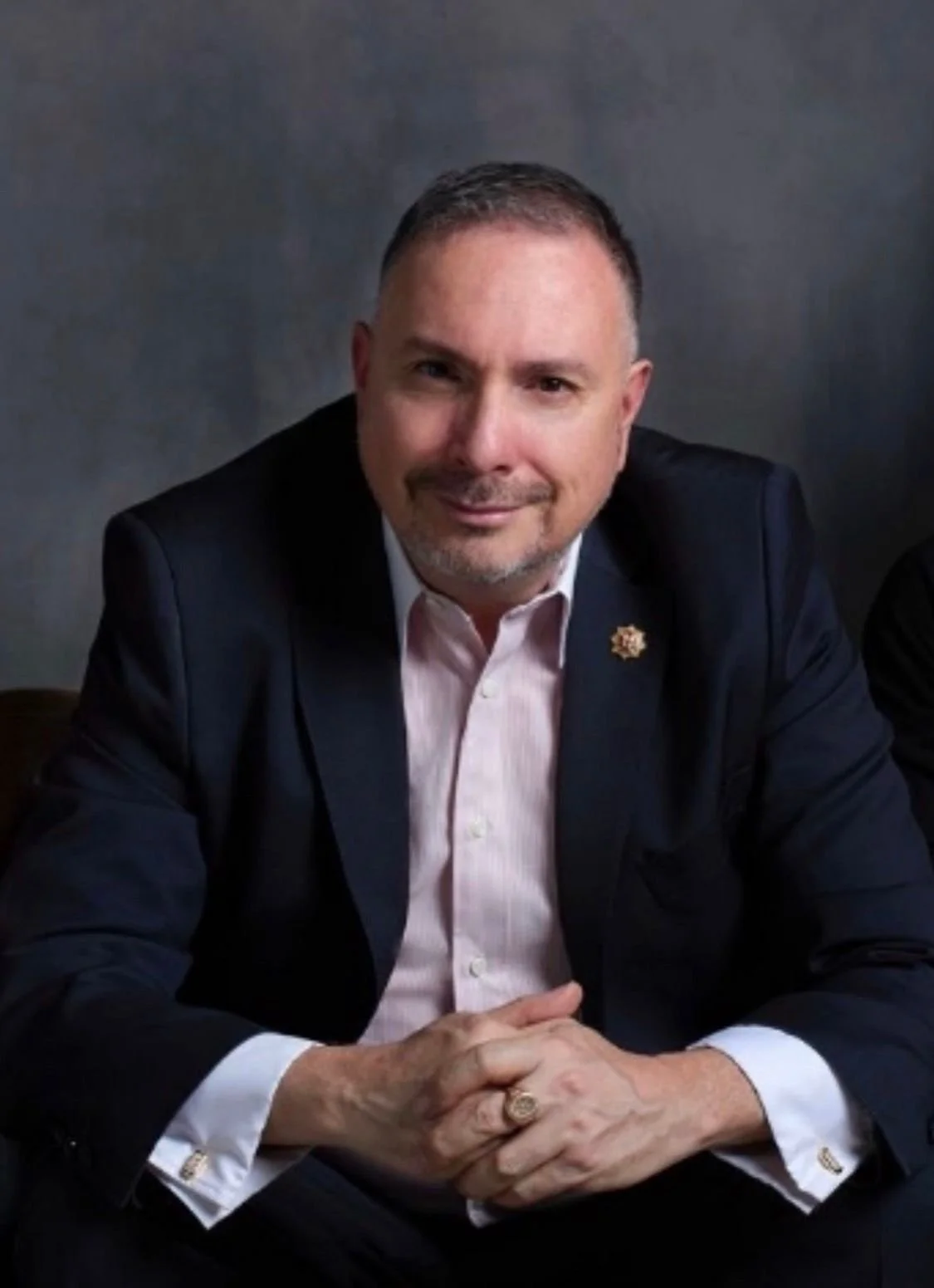
Victor Horcasitas

Discrimination in employment often makes stable housing increasingly difficult to obtain. This is why community outreach programs become important as they create a community that can offer some sense of stability that can otherwise become difficult to achieve. This highlights the importance of community-led action, as Victor recalled how a group of British and American expats organized volunteers through Facebook to prepare and distribute food to homeless communities in Barcelona. “We all have a responsibility,” he explained, adding that, “as expats, it becomes easier to ignore, or fail to take action if we are not faced personally with the issue. Distance from our home countries can make it easier to overlook homelessness in cities like New York, Mexico City, or Philadelphia, as attention shifts toward adapting to life in our host countries.”

A Call to Action for 2026

Now is a particularly important moment to act since Mexico, the United States, and Canada prepare to host the FIFA World Cup (2026) together. The timing should be used to create as much awareness and solutions as possible. “This,” as Brenda stated, “can help create a wider net of organisations who are willing to help, bringing some relief to the issue at hand.” 

Because immigration is a big factor in homelessness, international and expat communities are in a powerful position to make a difference. Being an expat also means leaving one’s home country, but often with an important distinction: access to resources and opportunities. We can help close that gap. Through donations, partnerships, and community engagement, expats can help fund hotlines, outreach programs, and employment pathways that offer real alternatives to life on the streets. 

Change is possible, but it requires action. Supporting these initiatives means not only addressing homelessness today, but helping build a more inclusive and humane city for the future.
Homeless Entrepreneur Announces New Mobility and Outreach Partner

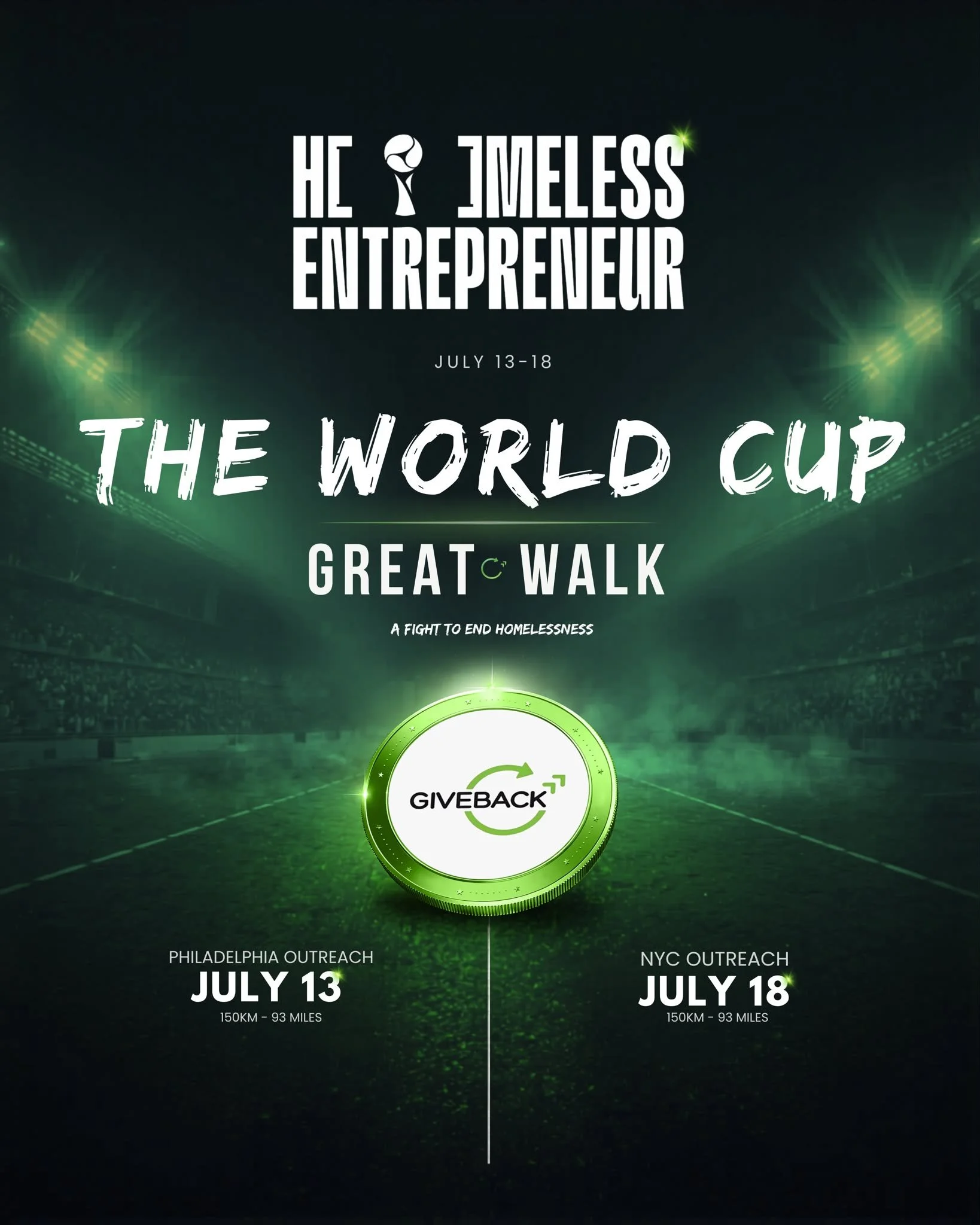
Homeless Entrepreneur Announces Giveback as New Mobility and Outreach Partner for The Great Walk to the FIFA World Cup Finals 2026

Barcelona, Spain – May 29, 2026 – Homeless Entrepreneur, an international nonprofit organization dedicated to empowering people out of homelessness through dignity, employment, and community, is proud to announce Giveback, "the currency of giving, a FinTech software company pioneering global charitable impact via the blockchain" - (Keaton B, CEO, Giveback Ventures), as the official Mobility and Outreach Partner for The Great Walk by Homeless Entrepreneur to the FIFA World Cup Finals in 2026, where we aim to raise $175,000 (150,000€) to uplift 1,500 people made of potential out of homelessness.

The Great Walk, which is a 93 mile (150 km) initiative in 5 days for 150 million homeless people is led by Homeless Entrepreneur’s founder president, Andrew Funk, who is walking with Great Walk lead, Professor Tuck, Giveback and PMI’s PMWB members along with many more people from Philadelphia to Metlife Stadium to reach the FIFA World Cup Finals in North America. Along the way, the walk will engage city leaders, businesses, media, and citizens in conversations about ending homelessness while creating sustainable pathways out of homelessness through Homeless Entrepreneur’s main programs (Helpine, Voices & HELP program) as well as safeguards to prevent it.

Together with Giveback, Homeless Entrepreneur will launch the outreach phase of The Great Walk on July 13th in Philadelphia, providing food and connectivity that lead to new opportunities for the local homeless community. The outreach will also take place on July 18th in New York City, New York, where we will team up with PMI NYC and local charities. We also aim to celebrate the FIFA World Cup finals with fans watching it on game day!

“As we celebrate our 40th year, PMI New York City is proud and excited to partner with the Homeless Entrepreneur on the World Cup Walk’s 8th Edition and to give back to local charities, because when nonprofits, charities, volunteers, and community members come together, we build the kind of community that uplifts everyone.”
— Vinesh Naicker, Director of Community Service at PMI NYC Chapter

The innovative concept behind this partnership is that we’re going to activate both the homeless community and the global support network to grow together by bridging two worlds that are often disconnected, and demonstrating that solidarity is the most powerful catalyst for ending homelessness.

“The Great Walk is a statement that the people sleeping on our streets have names, gifts, and something to offer the world. That’s exactly what Homeless Entrepreneur understands, and it’s exactly why we knew we had to be part of this.
At Giveback, our mission has always been about getting real resources to real people. The World Cup is one of the most watched moments on earth, and walking with this movement means that this mission gets seen by the world. We’re honored to create social impact with an organization that treats the homeless people like entrepreneurs working towards an opportunity instead of a problem that needs to be mitigated”
— Giveback Ventures

"This partnership with Giveback is a game-changer for The Great Walk," said Andrew Funk, Founder president of Homeless Entrepreneur. "Mobility and connectivity will shorten the distance between being homeless and having a place to call home. By creating meaningful interactions and connecting them with our Helpline (+34 697 877 089) and bringing the homeless community and the World Cup community into the same conversation, we are showing the world that we can truly score and win together. From Philadelphia to East Rutherford, we are 26 to end homelessness!

Throughout the journey, the team will host community events, conduct street outreach, share stories through our Voices program, and invite supporters worldwide to join the movement through donations, volunteering, and advocacy. The FIFA World Cup Finals 2026, hosted across the United States, Canada, and Mexico, provides a powerful global stage to spotlight homelessness as a solvable challenge.

About Homeless Entrepreneur Founded in 2015, Homeless Entrepreneur’s mission is to promote economic empowerment and poverty reduction via work and active citizenship thanks to both public and private civic partnerships, so people living in social exclusion can improve their quality of life. Learn more at www.homelessentrepreneur.org.

Media Contact:

Andrew Funk, founder president of Homeless Entrepreneur

funk@homelessentrepreneur.org


Home Field Advantage

How FIFA can Activate Inclusion in the 2026 World Cup

Written by Olivia Lorenzo, Mariam Mamaladze, Sebastian Poe and Andu Precupas


Missed Opportunity

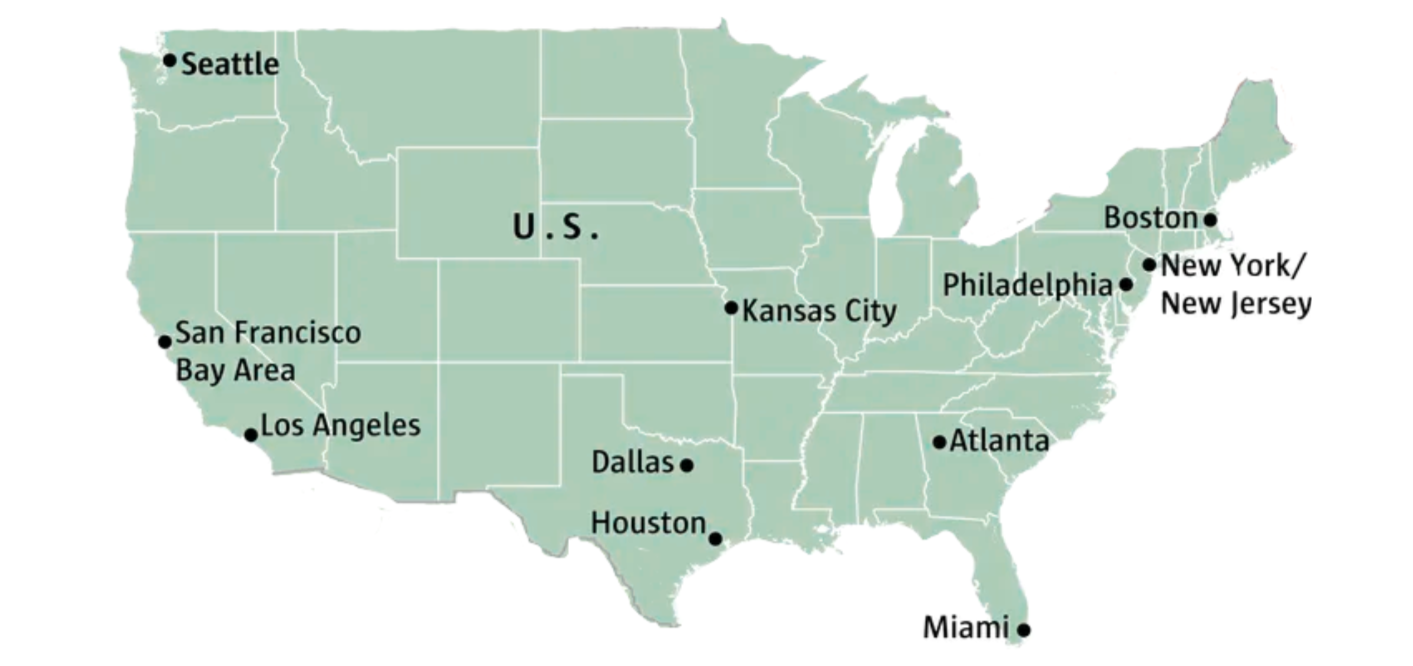
U.S. Cities hosting FIFA World Cup Games in 2026

The hosting of the 2026 World Cup presents FIFA with the opportunity to elevate and integrate people experiencing homelessness. However, past World Cups demonstrate that without activation-based solutions, negative externalities are created for vulnerable populations. During the preparation for the 2014 World Cup, approximately 22,000 families were removed from Rio de Janeiro to attain an aesthetic city image (Kassens-Noor and Ladd, 2019). This displacement reflects a larger preference for international spectacle over local vulnerability, which also contributes to housing precariousness. Redirecting the capital, lobbying power, and governmental support used to facilitate displacement toward inclusive housing initiatives and social services could have provided sustainable support for the 22,000 displaced families. The missed opportunities of past World Cups reveal an opportunity for FIFA to redefine the social legacy of mega-events by investing in solutions tailored to the realities of homelessness.

Dimensions of Homelessness

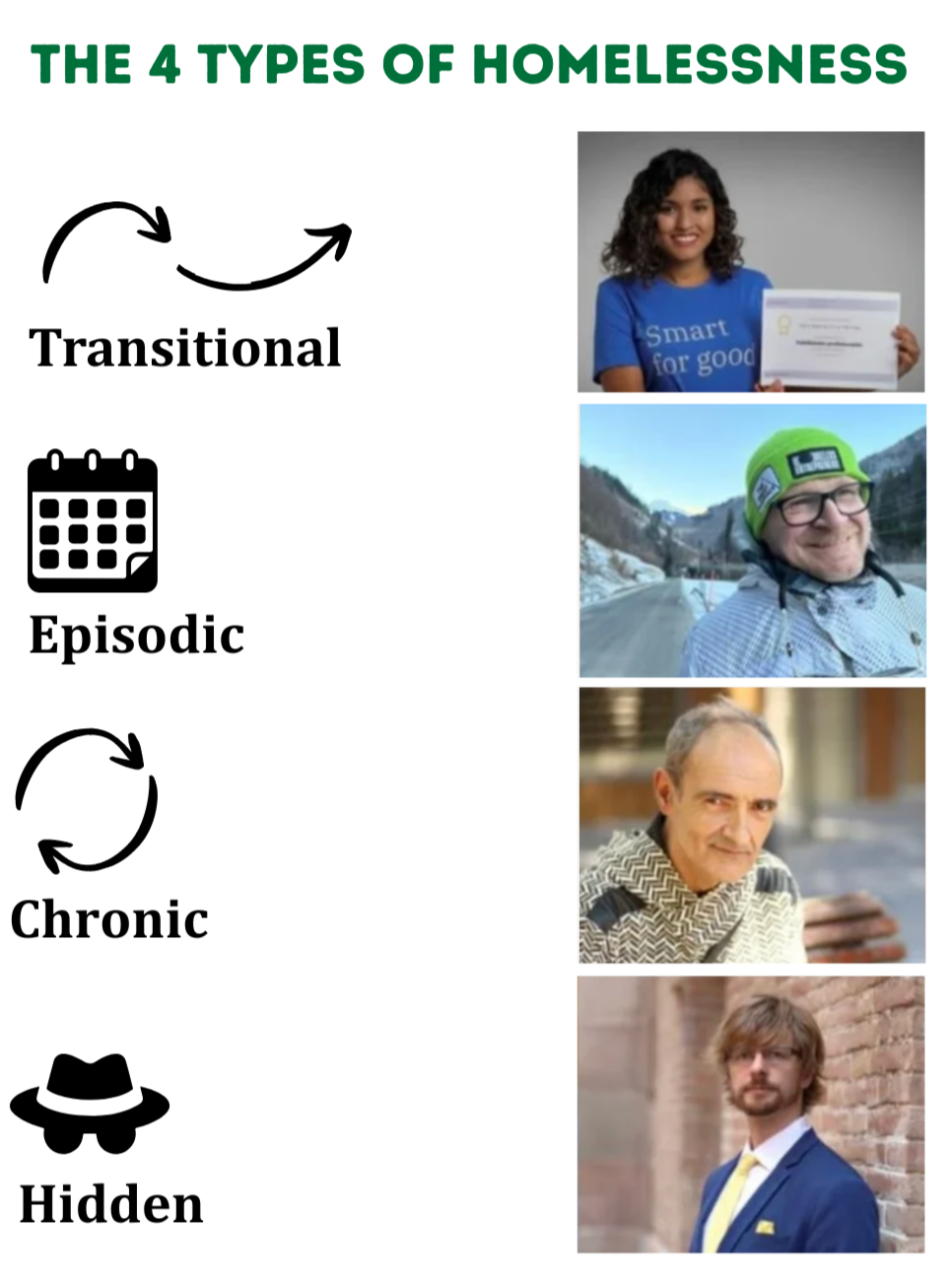
It is important to understand that people experiencing homelessness are not a homogenous group. Rather, there are four types of homelessness: transitional, episodic, chronic, and hidden. Transitional homelessness is short-term and results from sudden crises, with individuals returning to stable housing relatively quickly. Episodic homelessness involves repeated cycles of entering and exiting homelessness over time, often linked to ongoing instability. Chronic homelessness is long-term and associated with complex issues such as marginalization, substance abuse, and mental illness, despite affecting a smaller population (Lee et al., 2010). Lastly, hidden homelessness includes those not captured in official counts, such as individuals in unstable housing or temporarily staying with others (Crawley et al., 2013). 

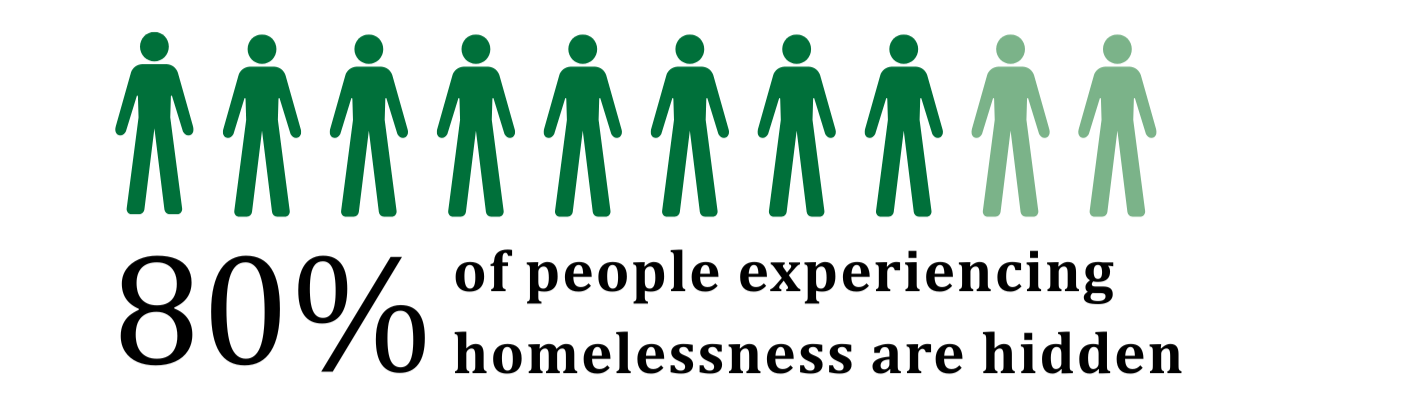
According to the US Department of Housing and Urban Development, across the eleven US host cities, the visibly homeless population was around 260,000 in January 2024 (HUD, 2024). It has been estimated that hidden homelessness accounts for 80% of people experiencing homelessness (Crawley et al., 2013). Thus, the true number of people experiencing homelessness in the eleven US host cities may be closer to 1.3 million, of which 1 million are hidden. It is precisely these people who FIFA can most easily empower.


Corporate Social Responsibility

The prevalence of homelessness in US host cities presents corporate social responsibility (CSR) concerns for FIFA, as the World Cup is projected to generate billions in revenue. However, this investment does not trickle down to people experiencing homelessness, presenting a blind spot and investment opportunity. 

In recent years, FIFA has begun to display CSR, investing resources to support community programs. In 2019, FIFA began partnering with the World Health Organization for awareness campaigns such as #SafeHome (domestic violence), #BeActive (regular physical activity), and #ACTTogether (Covid-19 regulations) (World Health Organization, 2023). 

This initiative reflects a broader trend. A meta-analysis review of CSR research found that consumers are now expecting “organizational actions and policies that take into account stakeholders’ expectations and the triple bottom line of economic, social, and environmental performance” (Aguinis and Glavas, 2012). As global attention turns to the World Cup, expectations for FIFA to offer meaningful social inclusion are increasing, making engagement with vulnerable communities both a moral and long-term necessity. 


Opportunity for FIFA

FIFA has the opportunity to elevate the experience of its stakeholders and address homelessness by partnering with Homeless Entrepreneur, an organization dedicated to supporting individuals experiencing homelessness, with a focus on hidden homelessness. A large-scale randomized study completed for the Journey to Social Inclusion program discovered that integrated interventions combining housing, skills development, and personalized support significantly improved housing stability and employment outcomes for people experiencing homelessness (Moledina et al., 2021). Homeless entrepreneur offers immediate and practical solutions to this end:

Helpline: +34 697 877 089

The HE helpline connects those experiencing or at risk of homelessness to available resources, aiming to prevent and reduce homelessness and poverty, costing ~$19 a person. 

Voices Program

The voices program allows people experiencing homelessness to create videos explaining their circumstances and skills, connecting them with housing and employment opportunities through their communities. It costs ~$63 to share one person’s story with the world.

HELP Program

The HELP program, a holistic one-year initiative, provides a support pathway to independence through incentivizing employment opportunities and fostering entrepreneurial activities. With just $3,000, it can fully empower one person out of homelessness.

FIFA’s slogan for the upcoming world cup is “We are 26." In collaboration with the Homeless Entrepreneur, with a mere $150,000, an insignificant number compared to the billions invested into the 2026 World Cup, 1,575 people can benefit from the Helpline, 475 can benefit from the Voices program, and they can help 26 exit homelessness.


Conclusion

The 2026 FIFA World Cup represents a unique opportunity to implement Homeless Entrepreneur’s activation solutions at scale across the 11 host cities in the United States. It is in FIFA’s best interest to enter this partnership to further their corporate social responsibility initiatives, create a measurable and lasting legacy, and improve stakeholder experience. 

What YOU Can Do

Donate: The World Cup Great Walk (VIP) | Homeless Entrepreneur Foundation (Desarrollado por Donorbox)

Share this message

  • Raise awareness and visibility by sharing this article, helping to bring it to the attention of FIFA decision-makers.

Support The World Cup Great Walk


About this Research ➡ This research was developed by undergraduate students at ESADE Business School as part of the Bachelor in Transformational Leadership and Social Impact program. 

Connect with one of the authors, Olivia Lorenzo, via LinkedIn!


Works Cited

Aneke, K. C. (2025). Housing rights implications of hosting the 2026 FIFA World Cup in Toronto and Vancouver: Towards a legal framework that effectively protects the right to adequate housing in Canada (Master’s thesis, University of Saskatchewan). Harvest. https://harvest.usask.ca/items/10988d0d-fb4d-4f5b-9847-474800eb6d0d

Aguinis, H., & Glavas, A. (2012). What we know and don’t know about corporate social responsibility: A review and research agenda. Journal of Management, 38(4), 932–968. https://doi.org/10.1177/0149206311436079

Crawley J., Kane D., Atkinson-Plato L., Hamilton M., Dobson K., Watson J. (2013). Needs of the hidden homeless – no longer hidden: a pilot study. Public Health, Volume 127, Issue 7, Pages 674-680. https://doi.org/10.1016/j.puhe.2013.04.006.

HUD (U.S. Department of Housing and Urban Development). (2024). The 2024 Annual Homelessness Assessment Report (AHAR) to Congress: Part 1: Point-in-Time estimates of homelessness. https://www.huduser.gov/portal/sites/default/files/pdf/2024-AHAR-Part-1.pdf

Kassens-Noor, E., & Ladd, J. (2019). No right to share the city: Being homeless in Rio de Janeiro during the FIFA World Cup. Human Geography, 12(2), 51–63. https://doi.org/10.1177/194277861901200204  

Lee, B. A., Tyler, K. A., & Wright, J. D. (2010). The New Homelessness Revisited. Annual review of sociology, 36, 501–521. https://doi.org/10.1146/annurev-soc-070308-115940

Moledina, A., Magwood, O., Agbata, E., Hung, J. H., Saad, A., Thavorn, K., & Pottie, K. (2021). A comprehensive review of prioritised interventions to improve the health and wellbeing of persons with lived experience of homelessness. Campbell systematic reviews, 17(2), e1154. https://doi.org/10.1002/cl2.1154

Qi, D., Abri, K., Mukherjee, M. R., Rosenwohl-Mack, A., Khoeur, L., Barnard, L., & Knight, K. R. (2022). Health impact of street sweeps from the perspective of healthcare providers. Journal of General Internal Medicine, 37(14), 3707–3714. https://doi.org/10.1007/s11606-022-07471-y

World Health Organization. (2023, May 24). FIFA and WHO extend collaboration to promote health through football. https://www.who.int/news/item/24-05-2023-fifa-and-who-extend-collaboration-to-promote-health-through-football