

Written by Carolina Santander
The number of homeless individuals in Mexico City is estimated to range between 3,000 and 30,000 and there are approximately 12 million expats from Mexico. The gap in these estimates on homelessness reflects the limited institutional attention given to the issue. The definition of what homelessness is is constantly changing. To some it means someone who lives on the streets and to others someone who lives with extended family causing overcrowding.
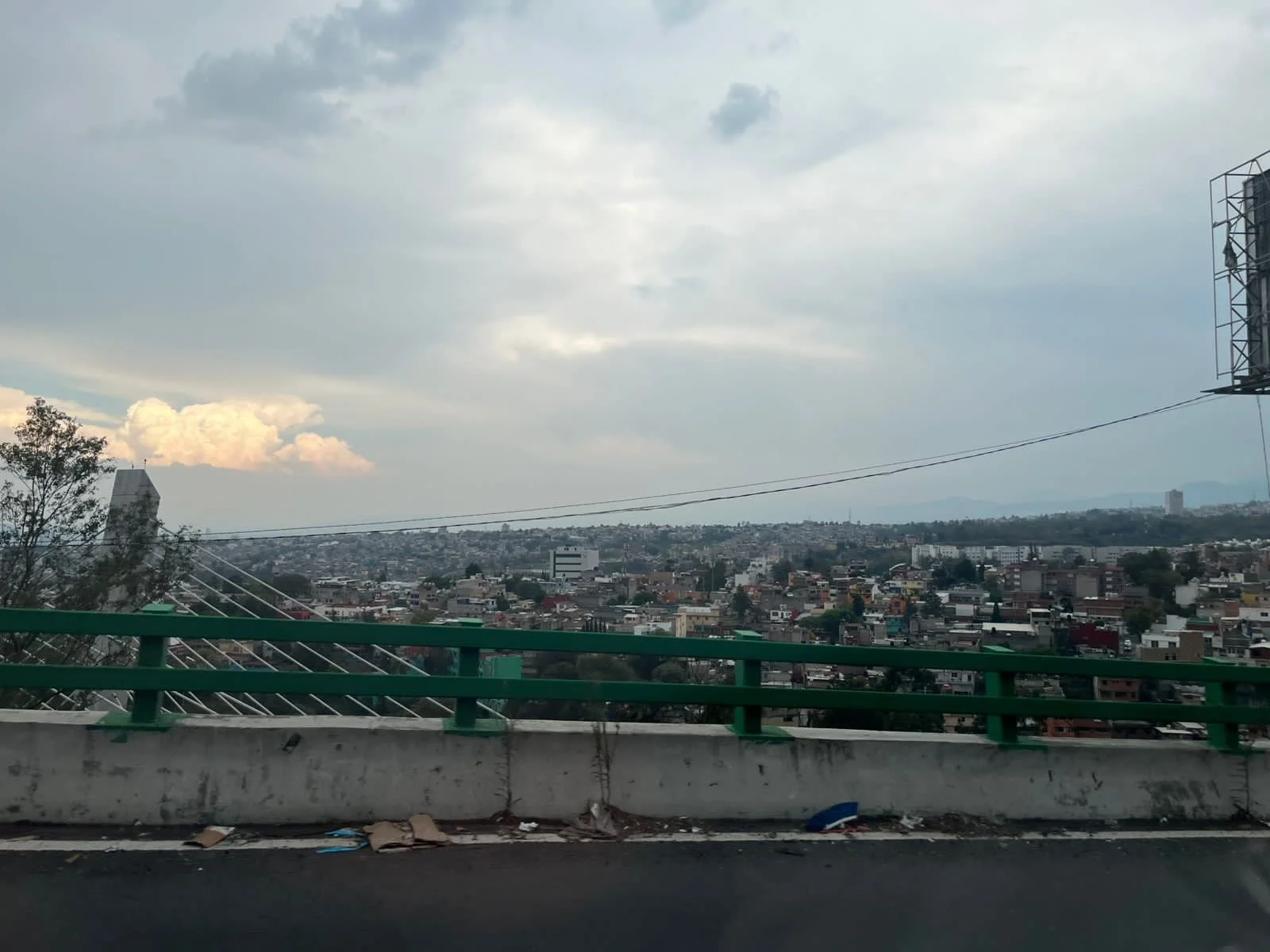
Mexico City, Mexico
Beyond the lack of a standardized definition, homelessness is a complex issue, commonly stemming from poverty and a loss of community. Many of the people who find themselves on the streets have oftentimes fled their villages and moved to the country’s capital or other countries in hopes of a brighter future only to be met with a harsh reality marked by exploitation, instability, and limited access to support systems. According to Brenda Magaña, a Homeless Entrepeneur volunteer living in Mexico City, the primary drivers for homelessness she has seen are addiction i.e. drugs, alcohol or gambling, undiagnosed or untreated mental health conditions and a profound lack of community.
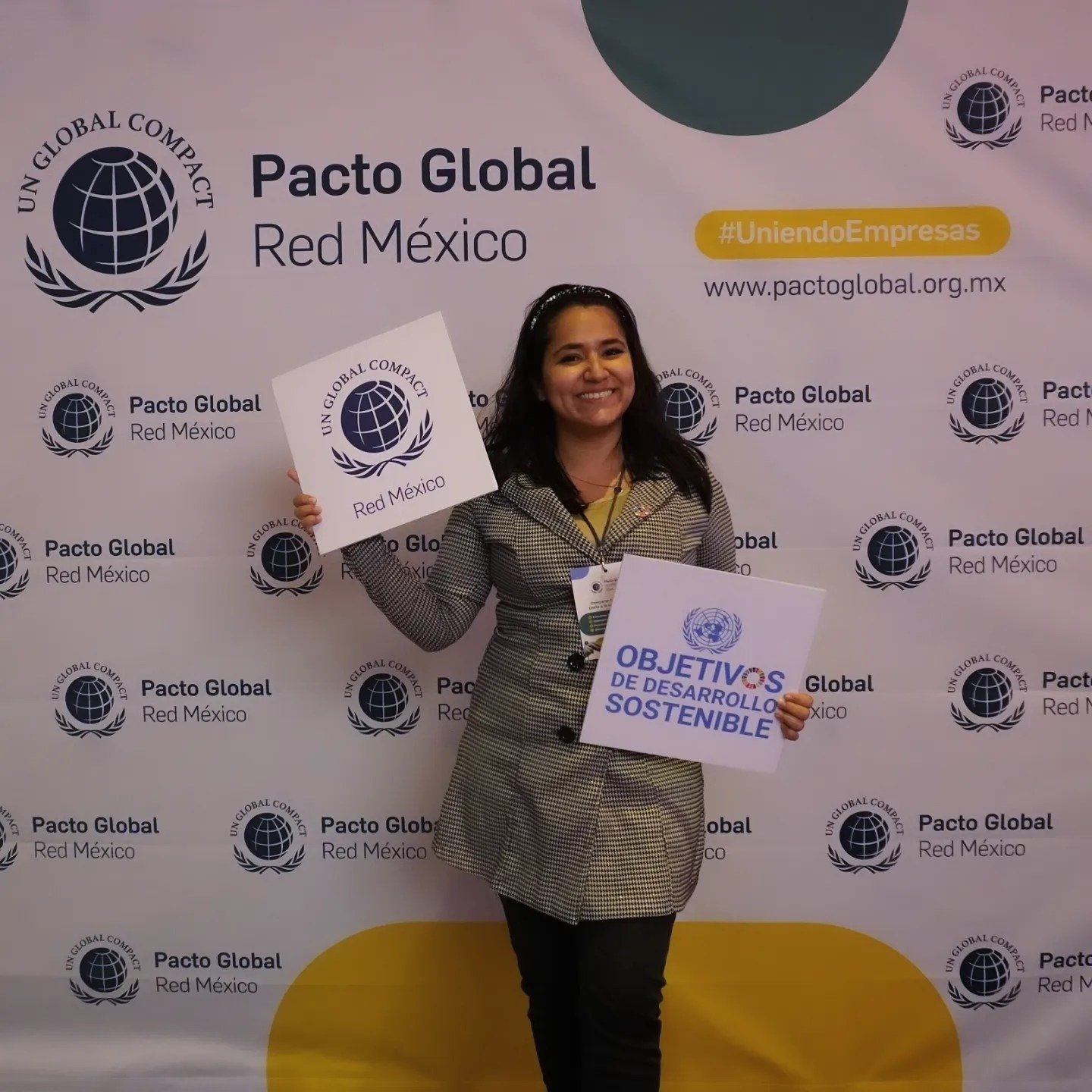
Brenda participating in the UN Global Compact Red Mexico event.
Bridging the Institutional Gap
Addressing homelessness at a deeper level is increasingly difficult as policies and institutions exist on paper but fail to materialize in practice. This has created a unique need for private institutions to step in, such as Mi Valedor, a non-profit in Mexico City that helps uplift the homeless by creating a magazine where “valedores” are then provided with magazines to sell. Through this program, some of the “valedores,” or vendors, have managed to find formal employment elsewhere, others have managed to pay for their studies and others continue to work on leaving homelessness.
Initiatives such as this in Mexico City, or Homeless Entrepreneur, an international non-profit organization that seeks to empower people made of potential out of homeless through work and community. The work done by Homeless Entrepreneur and Mi Valedor underscores a vital truth: providing people with work gives them autonomy and a renewed sense of purpose. This is extremely relevant in the US since there is a large portion of homelessness that consists of immigrants who have the skills to participate in the workforce but have been unable to do so, due to varying circumstances, oftentimes structural or legal barriers.
The Role of the Expat Community
Victor Horcasitas, a Mexican-American expat living in Barcelona explained that adapting to life abroad came with challenges ranging from cultural adaptation to discrimination in employment and housing. While many expats arrive with resources or educational opportunities, he emphasized that vulnerable migrants often do not have the same protections, making it far more difficult to achieve stability.

Victor Horcasitas
Discrimination in employment often makes stable housing increasingly difficult to obtain. This is why community outreach programs become important as they create a community that can offer some sense of stability that can otherwise become difficult to achieve. This highlights the importance of community-led action, as Victor recalled how a group of British and American expats organized volunteers through Facebook to prepare and distribute food to homeless communities in Barcelona. “We all have a responsibility,” he explained, adding that, “as expats, it becomes easier to ignore, or fail to take action if we are not faced personally with the issue. Distance from our home countries can make it easier to overlook homelessness in cities like New York, Mexico City, or Philadelphia, as attention shifts toward adapting to life in our host countries.”
A Call to Action for 2026
Now is a particularly important moment to act since Mexico, the United States, and Canada prepare to host the FIFA World Cup (2026) together. The timing should be used to create as much awareness and solutions as possible. “This,” as Brenda stated, “can help create a wider net of organisations who are willing to help, bringing some relief to the issue at hand.”
Because immigration is a big factor in homelessness, international and expat communities are in a powerful position to make a difference. Being an expat also means leaving one’s home country, but often with an important distinction: access to resources and opportunities. We can help close that gap. Through donations, partnerships, and community engagement, expats can help fund hotlines, outreach programs, and employment pathways that offer real alternatives to life on the streets.
Change is possible, but it requires action. Supporting these initiatives means not only addressing homelessness today, but helping build a more inclusive and humane city for the future.