
How FIFA can Activate Inclusion in the 2026 World Cup
Written by Olivia Lorenzo, Mariam Mamaladze, Sebastian Poe and Andu Precupas
Missed Opportunity
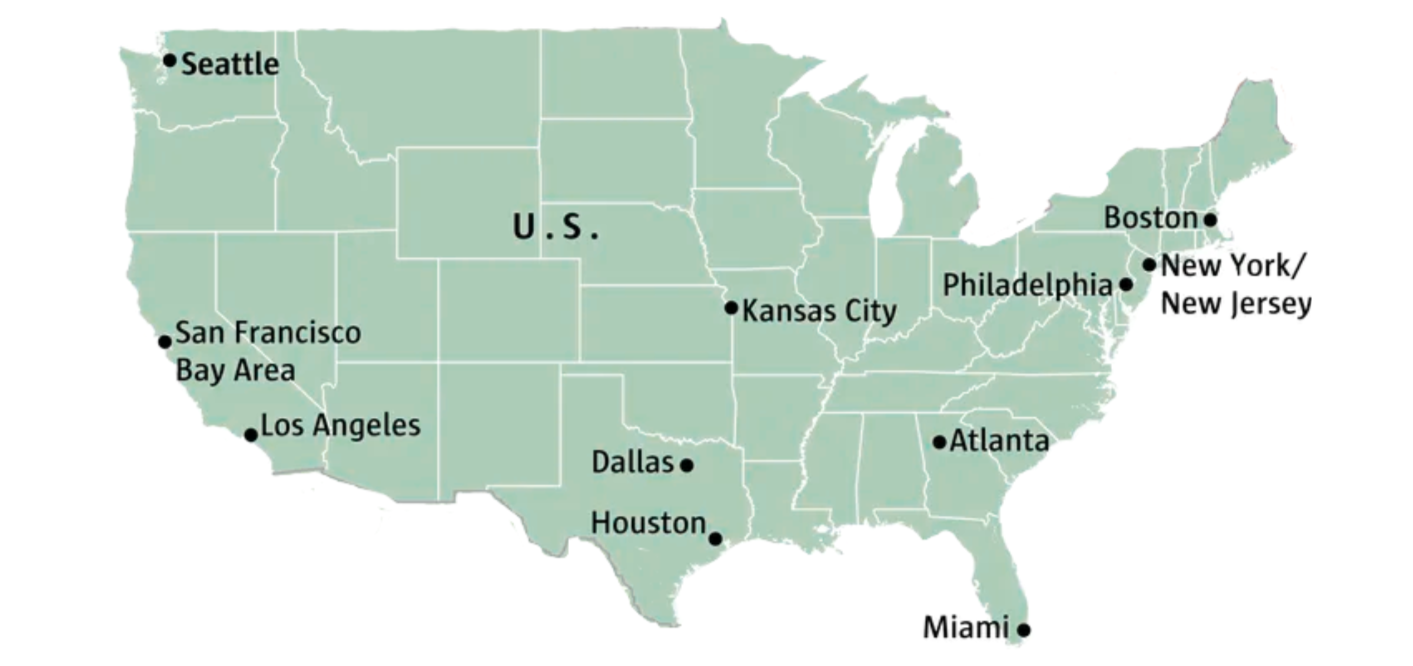
U.S. Cities hosting FIFA World Cup Games in 2026
The hosting of the 2026 World Cup presents FIFA with the opportunity to elevate and integrate people experiencing homelessness. However, past World Cups demonstrate that without activation-based solutions, negative externalities are created for vulnerable populations. During the preparation for the 2014 World Cup, approximately 22,000 families were removed from Rio de Janeiro to attain an aesthetic city image (Kassens-Noor and Ladd, 2019). This displacement reflects a larger preference for international spectacle over local vulnerability, which also contributes to housing precariousness. Redirecting the capital, lobbying power, and governmental support used to facilitate displacement toward inclusive housing initiatives and social services could have provided sustainable support for the 22,000 displaced families. The missed opportunities of past World Cups reveal an opportunity for FIFA to redefine the social legacy of mega-events by investing in solutions tailored to the realities of homelessness.
Dimensions of Homelessness
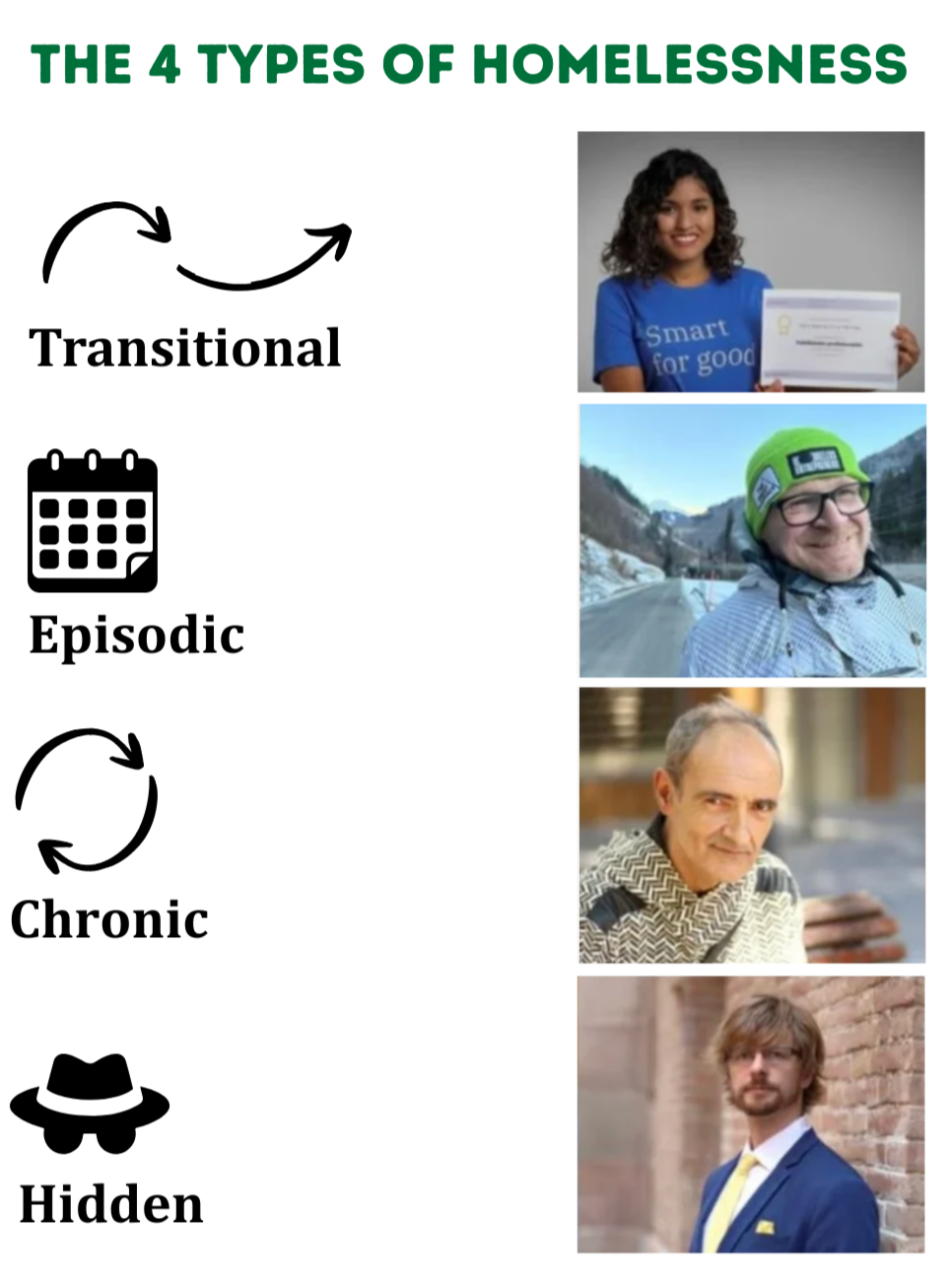
It is important to understand that people experiencing homelessness are not a homogenous group. Rather, there are four types of homelessness: transitional, episodic, chronic, and hidden. Transitional homelessness is short-term and results from sudden crises, with individuals returning to stable housing relatively quickly. Episodic homelessness involves repeated cycles of entering and exiting homelessness over time, often linked to ongoing instability. Chronic homelessness is long-term and associated with complex issues such as marginalization, substance abuse, and mental illness, despite affecting a smaller population (Lee et al., 2010). Lastly, hidden homelessness includes those not captured in official counts, such as individuals in unstable housing or temporarily staying with others (Crawley et al., 2013).
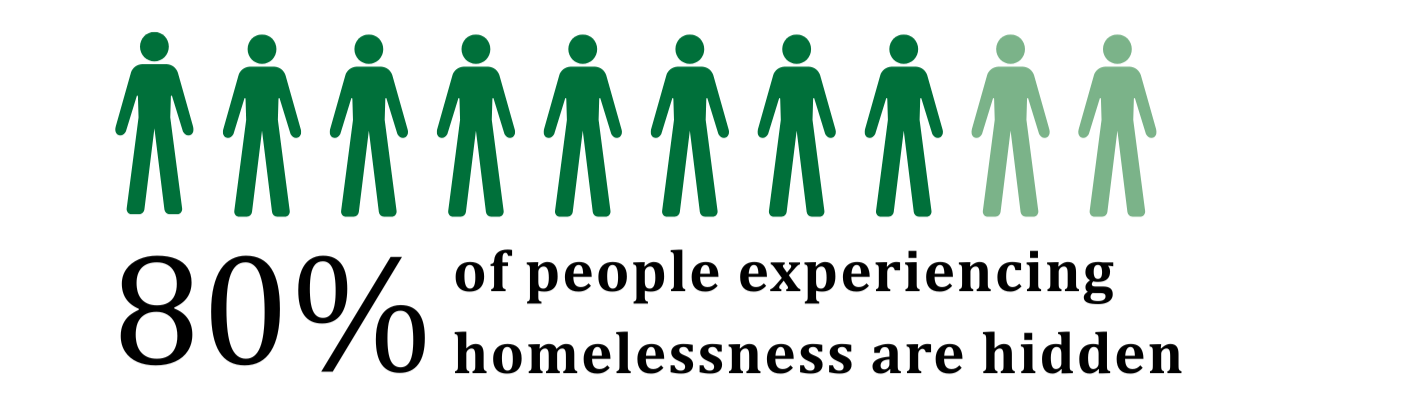
According to the US Department of Housing and Urban Development, across the eleven US host cities, the visibly homeless population was around 260,000 in January 2024 (HUD, 2024). It has been estimated that hidden homelessness accounts for 80% of people experiencing homelessness (Crawley et al., 2013). Thus, the true number of people experiencing homelessness in the eleven US host cities may be closer to 1.3 million, of which 1 million are hidden. It is precisely these people who FIFA can most easily empower.
Corporate Social Responsibility
The prevalence of homelessness in US host cities presents corporate social responsibility (CSR) concerns for FIFA, as the World Cup is projected to generate billions in revenue. However, this investment does not trickle down to people experiencing homelessness, presenting a blind spot and investment opportunity.
In recent years, FIFA has begun to display CSR, investing resources to support community programs. In 2019, FIFA began partnering with the World Health Organization for awareness campaigns such as #SafeHome (domestic violence), #BeActive (regular physical activity), and #ACTTogether (Covid-19 regulations) (World Health Organization, 2023).
This initiative reflects a broader trend. A meta-analysis review of CSR research found that consumers are now expecting “organizational actions and policies that take into account stakeholders’ expectations and the triple bottom line of economic, social, and environmental performance” (Aguinis and Glavas, 2012). As global attention turns to the World Cup, expectations for FIFA to offer meaningful social inclusion are increasing, making engagement with vulnerable communities both a moral and long-term necessity.
Opportunity for FIFA
FIFA has the opportunity to elevate the experience of its stakeholders and address homelessness by partnering with Homeless Entrepreneur, an organization dedicated to supporting individuals experiencing homelessness, with a focus on hidden homelessness. A large-scale randomized study completed for the Journey to Social Inclusion program discovered that integrated interventions combining housing, skills development, and personalized support significantly improved housing stability and employment outcomes for people experiencing homelessness (Moledina et al., 2021). Homeless entrepreneur offers immediate and practical solutions to this end:
Helpline: +34 697 877 089
The HE helpline connects those experiencing or at risk of homelessness to available resources, aiming to prevent and reduce homelessness and poverty, costing ~$19 a person.
Voices Program
The voices program allows people experiencing homelessness to create videos explaining their circumstances and skills, connecting them with housing and employment opportunities through their communities. It costs ~$63 to share one person’s story with the world.
HELP Program
The HELP program, a holistic one-year initiative, provides a support pathway to independence through incentivizing employment opportunities and fostering entrepreneurial activities. With just $3,000, it can fully empower one person out of homelessness.
FIFA’s slogan for the upcoming world cup is “We are 26." In collaboration with the Homeless Entrepreneur, with a mere $150,000, an insignificant number compared to the billions invested into the 2026 World Cup, 1,575 people can benefit from the Helpline, 475 can benefit from the Voices program, and they can help 26 exit homelessness.
Conclusion
The 2026 FIFA World Cup represents a unique opportunity to implement Homeless Entrepreneur’s activation solutions at scale across the 11 host cities in the United States. It is in FIFA’s best interest to enter this partnership to further their corporate social responsibility initiatives, create a measurable and lasting legacy, and improve stakeholder experience.
What YOU Can Do
Donate: The World Cup Great Walk (VIP) | Homeless Entrepreneur Foundation (Desarrollado por Donorbox)
Share this message
Raise awareness and visibility by sharing this article, helping to bring it to the attention of FIFA decision-makers.
Support The World Cup Great Walk
The World Cup Great Walk is an initiative to raise funds and awareness for people experiencing homelessness. To participate, donate, or spread the word, visit https://www.homelessentrepreneur.org/en/solidary-projects/the-world-cup-great-walk.
Spread #WeAre26HE to End Homelessness on social media!

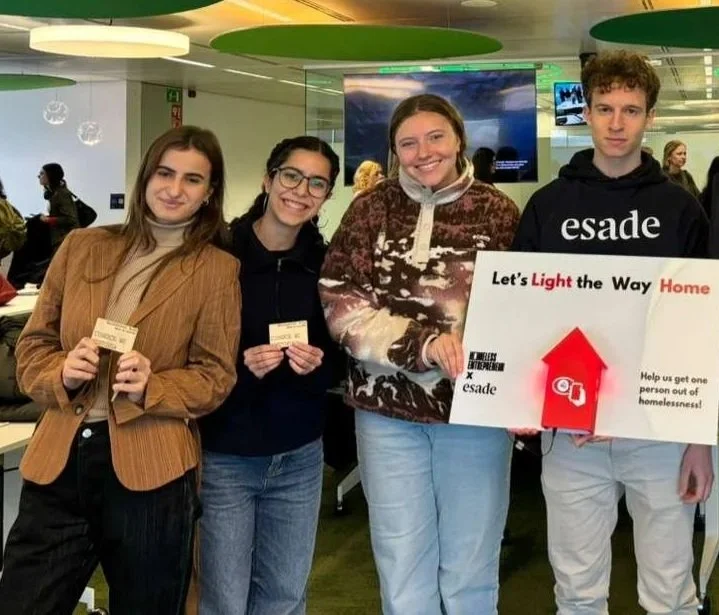
About this Research ➡ This research was developed by undergraduate students at ESADE Business School as part of the Bachelor in Transformational Leadership and Social Impact program.
Connect with one of the authors, Olivia Lorenzo, via LinkedIn!
Works Cited
Aneke, K. C. (2025). Housing rights implications of hosting the 2026 FIFA World Cup in Toronto and Vancouver: Towards a legal framework that effectively protects the right to adequate housing in Canada (Master’s thesis, University of Saskatchewan). Harvest. https://harvest.usask.ca/items/10988d0d-fb4d-4f5b-9847-474800eb6d0d
Aguinis, H., & Glavas, A. (2012). What we know and don’t know about corporate social responsibility: A review and research agenda. Journal of Management, 38(4), 932–968. https://doi.org/10.1177/0149206311436079
Crawley J., Kane D., Atkinson-Plato L., Hamilton M., Dobson K., Watson J. (2013). Needs of the hidden homeless – no longer hidden: a pilot study. Public Health, Volume 127, Issue 7, Pages 674-680. https://doi.org/10.1016/j.puhe.2013.04.006.
HUD (U.S. Department of Housing and Urban Development). (2024). The 2024 Annual Homelessness Assessment Report (AHAR) to Congress: Part 1: Point-in-Time estimates of homelessness. https://www.huduser.gov/portal/sites/default/files/pdf/2024-AHAR-Part-1.pdf
Kassens-Noor, E., & Ladd, J. (2019). No right to share the city: Being homeless in Rio de Janeiro during the FIFA World Cup. Human Geography, 12(2), 51–63. https://doi.org/10.1177/194277861901200204
Lee, B. A., Tyler, K. A., & Wright, J. D. (2010). The New Homelessness Revisited. Annual review of sociology, 36, 501–521. https://doi.org/10.1146/annurev-soc-070308-115940
Moledina, A., Magwood, O., Agbata, E., Hung, J. H., Saad, A., Thavorn, K., & Pottie, K. (2021). A comprehensive review of prioritised interventions to improve the health and wellbeing of persons with lived experience of homelessness. Campbell systematic reviews, 17(2), e1154. https://doi.org/10.1002/cl2.1154
Qi, D., Abri, K., Mukherjee, M. R., Rosenwohl-Mack, A., Khoeur, L., Barnard, L., & Knight, K. R. (2022). Health impact of street sweeps from the perspective of healthcare providers. Journal of General Internal Medicine, 37(14), 3707–3714. https://doi.org/10.1007/s11606-022-07471-y
World Health Organization. (2023, May 24). FIFA and WHO extend collaboration to promote health through football. https://www.who.int/news/item/24-05-2023-fifa-and-who-extend-collaboration-to-promote-health-through-football